

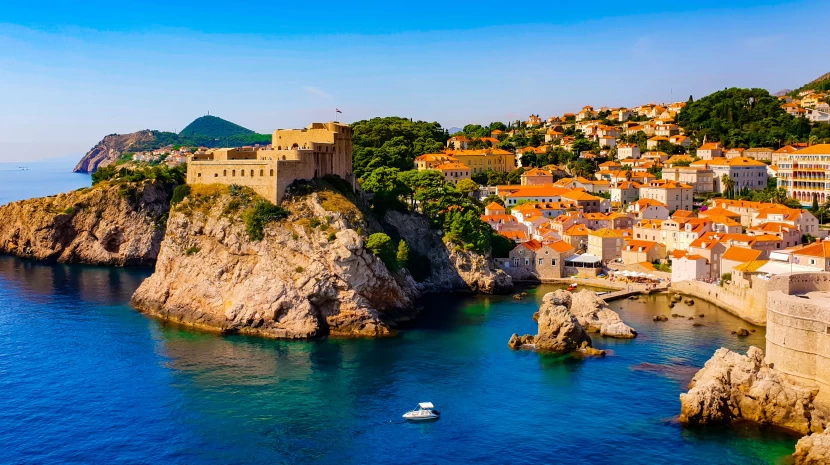
There are countless breathtaking destinations around the globe, yet few compare to the irresistible charm of Dubrovnik. Ask a local, and they'll tell you—no place rivals this coastal gem. From the moment you arrive, you're greeted by a blend of warm Mediterranean sunshine, vast azure skies, and the gentle shimmer of the Adriatic Sea brushing against ancient rocks, secret coves, and pebbled shores. It’s a land where tropical plants thrive and the sea breeze carries the scent of citrus.
With over 250 days of sunshine per year, Dubrovnik enjoys a climate that feels like an endless summer. Winters are mild, oranges ripen in the streets, and the sea welcomes swimmers from early spring to late autumn. Whether you dive into its waters in May or sunbathe on a boat in October, you’ll find the conditions perfect for exploring by land—or better yet, by sea with a Dubrovnik boat charter.
Table of Contents

A Brief History of Dubrovnik
Dubrovnik’s rise as a maritime power was largely due to its strategic position on the Adriatic, offering a sheltered port and access to inland trade via the Neretva River. The city was inhabited as early as the 6th century and grew after Croats settled in the 7th century, following the fall of nearby Epidaurum.
Trade between East and West during the Crusades fueled its development, and in 1358, Dubrovnik gained independence from Venice. By the 15th century, it had become a powerful republic with its own government, currency, and laws. The city expanded its territory through diplomacy, reaching from Klek to Sutorina and including several nearby islands.
To maintain independence, Dubrovnik accepted Ottoman protection in 1525, securing trade rights across the empire. Its peak came in the 16th century, when its merchant fleet rivaled the world's best, sailing as far as England, India, and the Americas.
This golden age brought cultural and scientific achievements, with notable figures like Marin Držić, Ivan Gundulić, and Ruđer Bošković. The city’s prosperity declined in the 17th century due to a regional maritime crisis and a devastating earthquake in 1667, though it recovered somewhat before being dissolved by Napoleon in 1808.
After the Congress of Vienna in 1815, Dubrovnik became part of the Habsburg Empire. In 1991, during the Croatian War of Independence, the city was heavily bombarded but survived the siege, standing today as a resilient symbol of heritage and freedom.
Dubrovnik’s City Walls: A Living Monument of Freedom and Fantasy
Stretching nearly two kilometers, Dubrovnik’s ancient stone walls have long symbolized the city’s enduring spirit and longing for freedom. These mighty ramparts double as a dramatic stage—whether under the summer sky during the Dubrovnik Summer Festival or in the fantasy world of Game of Thrones, where they led to the Iron Throne.
As you step into the UNESCO-listed Old Town, imagine being welcomed by the hand of Saint Blaise, the city’s guardian, pointing you toward a realm where life, art, and centuries of history are intertwined. Among Dubrovnik’s five historic forts, Minčeta, Bokar, and St. John are embedded within the city walls, while Lovrijenac and Revelin stand proudly apart on the western and eastern edges.
Stradun, the city's central promenade, feels like an open-air stage of polished stone, where history is felt with every step. Iconic landmarks such as the Sponza Palace, the Rector’s Palace, the twin Onofrio fountains, the Church of St. Blaise, and Orlando’s Column offer glimpses into the timeless soul of Dubrovnik—a city that seems to never age.
Discover its cultural and natural treasures in fascinating museums, wander through the lush beauty of the Trsteno Arboretum, and take in sweeping views from Mount Srđ, easily accessible by cable car.
In Dubrovnik, every glance reveals boundless beauty, every moment becomes a treasured memory, and every day feels like it ends too soon.
A Living Legacy Carved in Stone and Story
Poets and philosophers have long tried to capture Dubrovnik’s essence. Lord Byron dubbed it the "jewel of the Adriatic", while George Bernard Shaw called it "heaven on earth". Its architecture speaks of ancient wisdom, with Roman, Byzantine, and Venetian fingerprints seen on every sculpted arch and marble stairway.
The streets themselves are a living museum. Wander through narrow alleyways where echoes of the past still linger, or sip coffee in sunlit squares once bustling with mediaeval trade and diplomacy. Every corner offers a glimpse into centuries of refined urban planning and artistic splendour.
Top 7 Sights
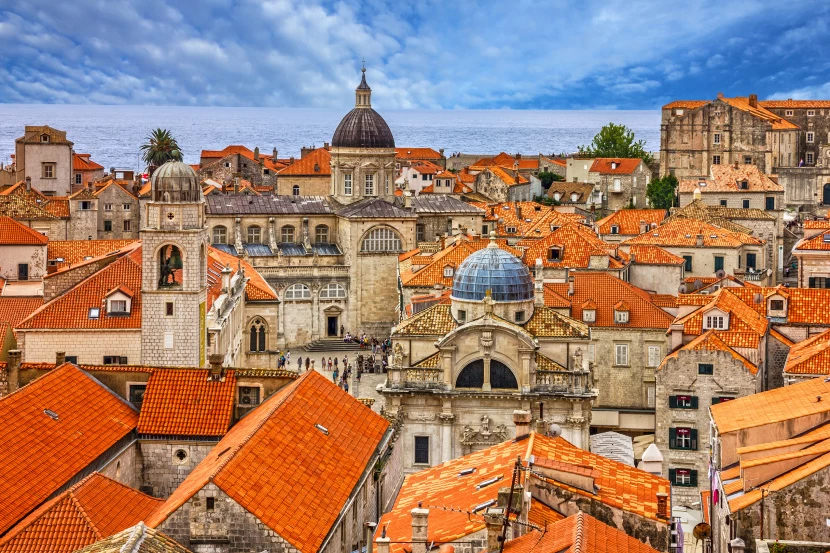
Step inside the storybook charm of Dubrovnik, where every stone whispers history and every view leaves you breathless. This walled city on the Adriatic isn’t just a destination—it’s a living museum, a stage of legends, and a place where the past and present collide in the most spectacular way. Whether you're wandering ancient streets, gazing out from centuries-old fortresses, or discovering hidden corners beneath terracotta rooftops, Dubrovnik has a way of capturing your heart. Here are 7 unmissable sights that reveal the magic behind its timeless allure.
1. City walls with forts
The Dubrovnik city walls are one of Europe’s best-preserved fortification systems and a top attraction for visitors. Spanning 1,940 meters, they feature five forts and sixteen towers and bastions, forming an open-air museum open year-round.
Visitors can enter the walls at three main points: near St. Luke’s Church, St. Saviour’s Church by Pile Gate, and at St. John’s Fort by the Maritime Museum. Three forts—Minčeta, Bokar, and St. John—are part of the walls, while Lovrijenac and Revelin stand separately at the western and eastern ends.
Fort Minčeta, perched at the city’s highest point, symbolizes Dubrovnik’s defense, proudly flying both the national and Libertas flags. Fort Bokar, built in the 15th century to protect the western harbor, now displays stone relics. St. John’s Fort, guarding the southeastern harbor, houses an aquarium and the Maritime Museum, with the nearby Porporela pier serving as a favorite local hangout.
Fort Revelin, outside the eastern gate, was once a strategic defense point and today hosts concerts and cultural events, preserving its legacy in modern times.
2. Lovrijenac
Perched on a 37-meter-high cliff west of Dubrovnik’s Old Town, Lovrijenac Fortress stands as a powerful symbol of the city's resilience and independence. Built to defend the western Pile Gate, it bears the famous inscription above its entrance: "Freedom is not sold for all the gold in the world."
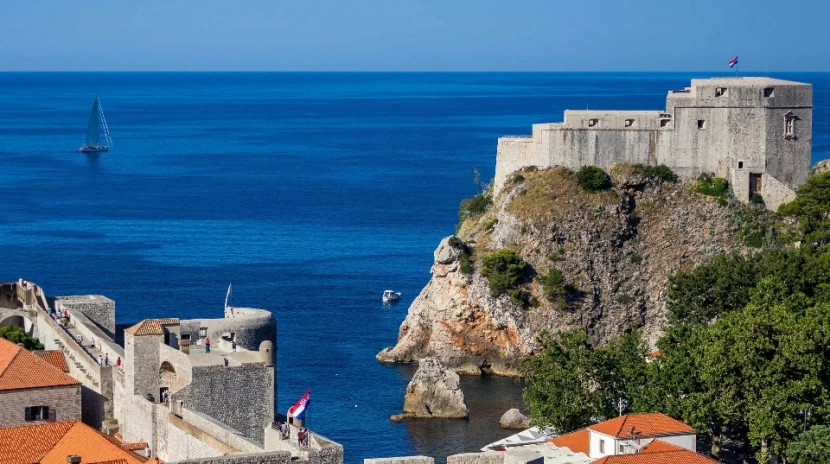
Though officially mentioned in 1301, the fort likely dates back earlier. Today, it serves as a dramatic open-air stage during the Dubrovnik Summer Festival, especially for Shakespearean plays. Notable actors like Rade Šerbedžija, Daniel Day-Lewis, and Goran Višnjić have performed here.
3. Stradun
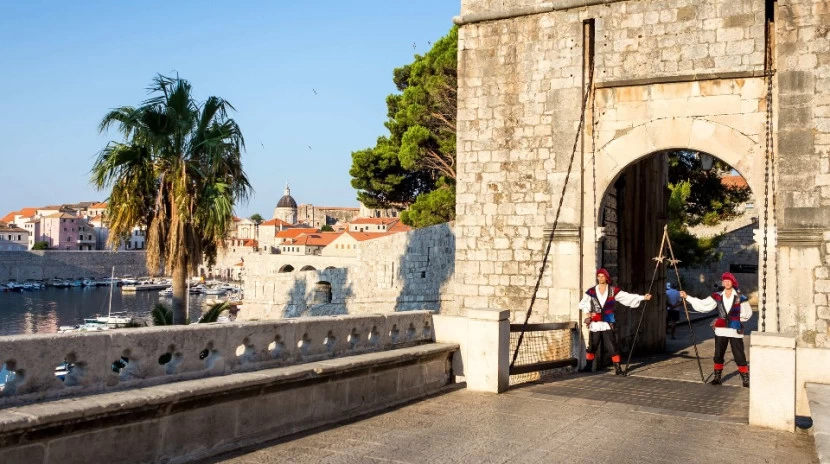
In medieval times, locals entered Dubrovnik through two main gates—Pile in the west and Ploče in the east. At night, drawbridges were lifted for protection. Today, entering through Pile Gate in summer, visitors are greeted by costumed guards and find themselves on Stradun (or Placa), the city’s central promenade. Once a sea channel, it became the main street after the 12th-century unification of two settlements.
Stradun leads to key landmarks, including the Large Onofrio Fountain, part of a 15th-century water system built by Onofrio della Cava, and the Small Onofrio Fountain near the 31-meter-high City Bell Tower. The bell tower, built in 1444, still features its original clock and striking figures Baro and Maro.
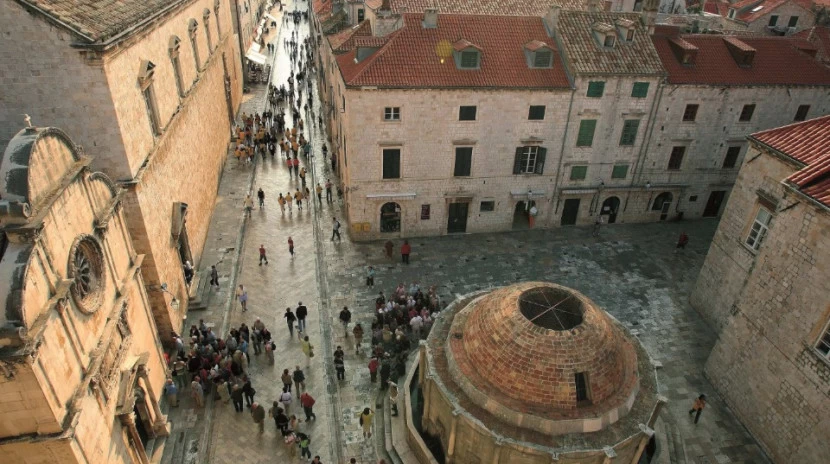
Nearby stands Luža, the old alarm bell tower, and the elegant Sponza Palace, a Gothic-Renaissance building that once housed customs and treasury offices. Now home to the Dubrovnik Archives, it preserves records dating back to the 12th century, including the 1272 city statute.
In front of Sponza is the Orlando Column, erected in 1418. The statue of the knight Roland, carved by Bonino of Milan, is a symbol of Dubrovnik’s independence. It now flies the Croatian flag and bears special banners during city festivals.
4. Churches
Spending a few days in Dubrovnik offers a chance to find peace in its centuries-old churches, where cool interiors, candlelight, and the scent of incense contrast with the sunlit stone streets outside. You might catch a quiet moment in St. Blaise’s Church as sunlight streams through stained glass, or hear the organ playing in the background.
The Baroque Church of St. Blaise, built in 1715, houses a 15th-century statue of the saint holding a model of the pre-earthquake city. Nearby, the small Church of St. Saviour, built in 1520 as a vow after surviving an earthquake, is a rare example of preserved Dubrovnik Renaissance architecture and is now used for concerts.
Next to it, the Franciscan Monastery features a 14th-century pharmacy—still in use today—offering traditional remedies and souvenirs. Its Baroque church includes a Renaissance hall, historic library, and religious treasures.
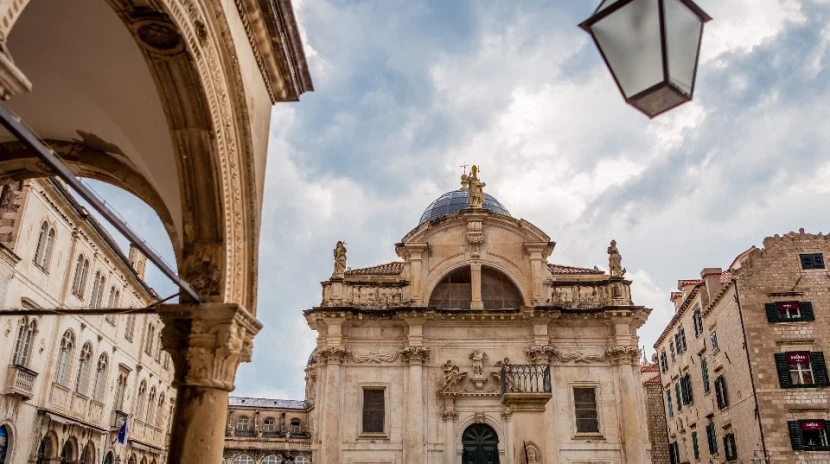
The Dubrovnik Cathedral, rebuilt in the 18th century, stands on the remains of earlier cathedrals dating as far back as the 6th century. Legend says Richard the Lionheart helped fund it after surviving a shipwreck near Lokrum. Inside, it houses a rich treasury and Titian’s Assumption of the Virgin.
St. Dominic’s Church, one of the largest Gothic buildings on the Adriatic, holds a 1314 crucifix by Paolo Veneziano and works by Dubrovnik painters and Titian. Its monastery preserves rare books, documents, and a collection of goldsmith art.
5. Squares
As you stroll through Dubrovnik’s streets and along Stradun, you’ll naturally pass several charming city squares, each with its own story.
Marin Držić Square, near the Cathedral, leads to Karmen, the harbour, and the Aquarium. Once known as “in front of Our Lady’s Church,” it features notable buildings like the Cathedral, Sorkočević Palace, and the Gallery of Dulčić-Masle-Pulitika. It’s named after Marin Držić, a 16th-century playwright and poet known for his lively comedies, including Uncle Maroje.
Nearby is Gundulić Square, home to the 19th-century statue of poet Ivan Gundulić, a major Baroque writer whose best-known works include Dubravka and Osman. The square hosts a daily green market and the small Amerling Fountain, damaged in the 1991 war.
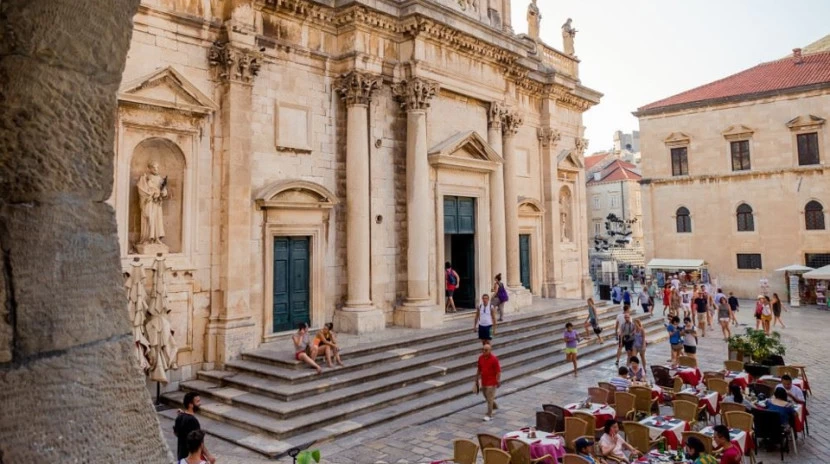
From Gundulić Square, grand Baroque stairs lead to Ruđer Bošković Square, where you’ll find the Jesuit Church of St. Ignatius and the former Jesuit school, Collegium Ragusinum. The church, completed in 1725, features stunning frescoes by Gaetano Garcia. The monumental staircase, designed by Pietro Passalacqua, resembles Rome’s Spanish Steps and is considered one of Dalmatia’s finest Baroque landmarks.
6. Mount Srđ – panorama and museum
Rising 413 meters above Dubrovnik, Mount Srđ offers stunning panoramic views of the city and coast. At its summit stands Fort Imperial, built by the French in 1810 during Napoleon’s rule to oversee land and sea routes. The fort later played a crucial defensive role during the Croatian War of Independence.
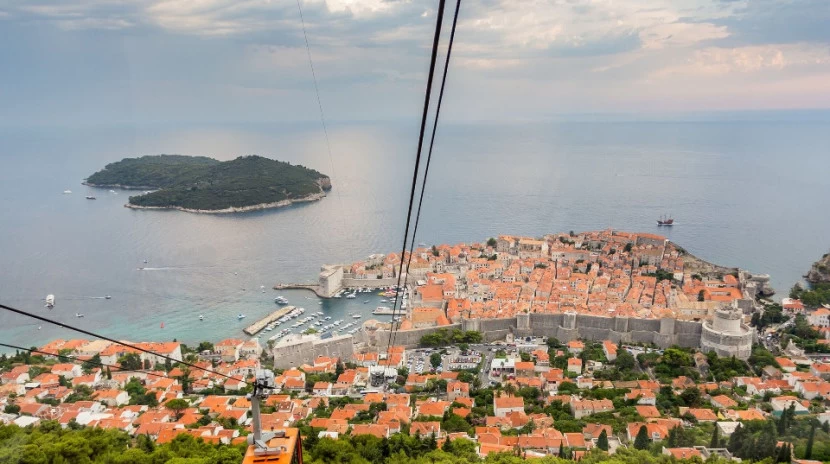
Next to the fort is a large stone cross—replacing the original one destroyed in the war—gifted by the Brač-Hvar Archdiocese. Today, the fort houses a museum dedicated to the war, featuring weapons, documents, and multimedia displays. Mount Srđ is a popular photo spot and a place to reflect on Dubrovnik’s resilience.
7. The Old City Harbour and the Lazarettos
In the past, Dubrovnik was a key stop on caravan trade routes, but frequent plague outbreaks led to strict health measures. As early as 1377, anyone arriving from plague-affected areas had to undergo 40 days of quarantine on nearby islands, laying the foundation for the city's lazarettos—early quarantine hospitals.
The last and most notable lazaretto, completed in 1642 near the eastern Ploče Gate, consists of five stone buildings. It had its own water supply, staff, and strict regulations. Today, it hosts cultural events, including performances by the Linđo Folklore Ensemble.
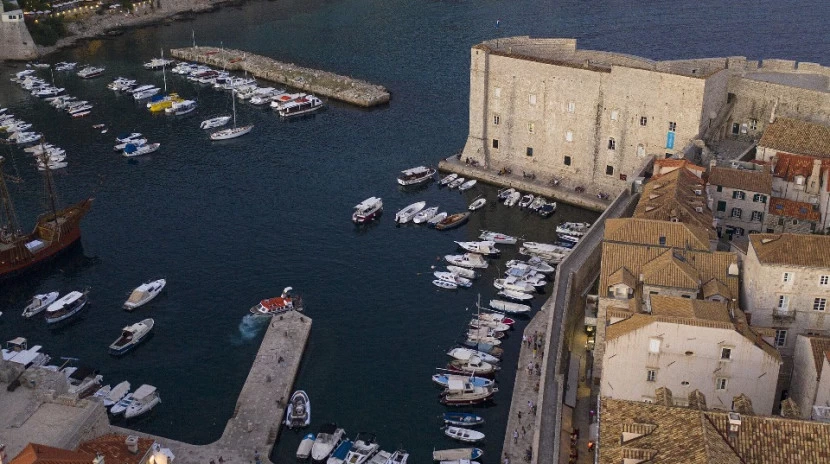
Engineer Paskoje Miličević, active in the late 15th century, played a key role in shaping Dubrovnik’s harbor. He built the St. Luke Bastion in 1484 and oversaw construction of the Kaše breakwater, which protected the port from storms and attacks. The harbor later saw the addition of the fish market (Peskarija), Porporela promenade, and naval arsenals—now home to the popular Arsenal Restaurant.
The Past Comes Alive: Fascinating Dubrovnik Facts
You might think you know Dubrovnik. But here are a few lesser-known facts sure to surprise even seasoned travellers:
The city was officially called Ragusa until 1808.
Dubrovnik was the first foreign state to recognise the independence of the United States in 1776.
Its fortified walls have never been breached.
The third-oldest pharmacy in the world still operates in the Old Town—established in 1317!
Slavery was abolished here as early as 1416.
The world’s first orphanage opened in Dubrovnik in 1432.
The city's mediaeval sewer system, dating to 1296, is still fully functional today.
In 1395, Dubrovnik passed Europe’s oldest insurance law—well ahead of its time.
The Republic maintained colonies abroad, including in Old Goa, India, where a Church of St Blaise still stands.
During episodes of the jugo wind, the Republic’s leaders would suspend political decision-making—respecting the natural rhythm of the region.
- So whether you're exploring Baroque palaces on foot, diving into ancient alleyways, or sailing the coast on a boat charter in Dubrovnik, you’ll discover that this city is not just a destination—it’s a story waiting to be lived.
And did you know? Agatha Christie spent her second honeymoon here, while Dubrovik’s cinematic resume includes starring roles in Game of Thrones, Star Wars, and Robin Hood.
Looking for the ultimate Dubrovnik sailing plan? Discover our 7-day yacht charter itinerary packed with must-see islands and local gems.
Explore it here: Dubrovnik Yacht Charter Guide.
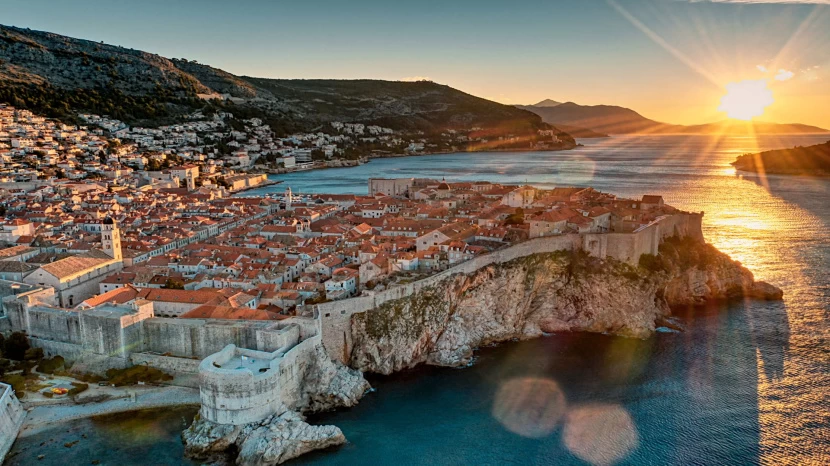
Photo: shutterstock, htz
