


Croatia has firmly positioned itself among the elite wine-producing nations of the world. At the 2025 Decanter World Wine Awards (DWWA), Croatian winemakers achieved record-breaking results, ranking among the top 10 countries by total medals—a remarkable recognition of the country’s dedication to quality and tradition.
The Decanter World Wine Awards, held annually in London, is the world’s most respected wine competition. Organised by Decanter magazine, the 2025 edition featured a record 248 judges, including 22 Master Sommeliers and 72 Masters of Wine, tasting wines from 57 countries. This rigorous evaluation ensures that only the highest-quality wines earn recognition—and Croatia proved it belongs on this global stage.
Table of Contents
Croatia Ranks Among Top 10 Countries
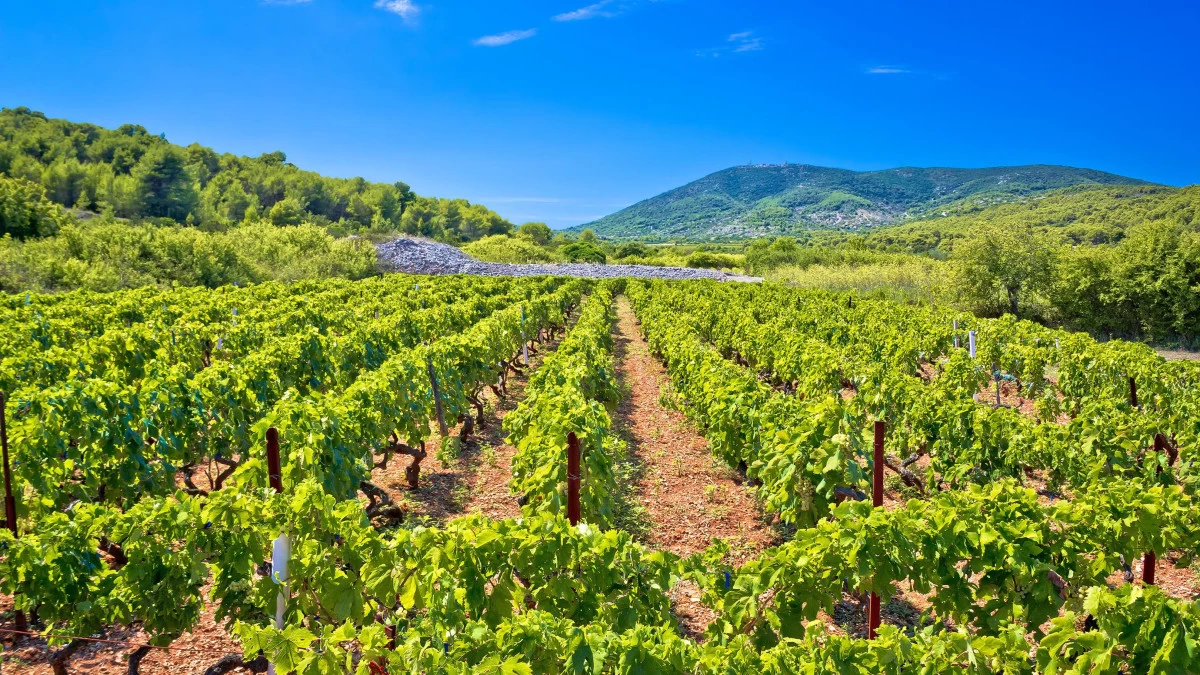
Croatia has firmly established itself among the top 10 wine countries in the world, earning global recognition for its rich winemaking heritage and exceptional quality. The country first drew major international attention in 1996 when research revealed that the famous Californian Zinfandel grape is genetically identical to Croatia’s native variety, Crljenak Kaštelanski - Tribidrag. Since then, Croatian wines have continued to impress on the world stage, combining centuries of tradition with modern craftsmanship.
In 2016, Croatia won 63 medals at the Decanter World Wine Awards and was recognised by USA TODAY and 10Best.com as one of the world’s top 10 wine regions to visit. Nearly a decade later, in 2025, Croatia reaffirmed its position among the top 10 wine countries globally, achieving its best-ever result with hundreds of medals across multiple categories.
This success was not a sudden achievement but the result of years of consistent excellence. Croatian wines have been continuously rewarded for their quality and authenticity on the international stage. In 2021, the country earned three Platinum and eight Gold medals, followed by three Platinum and sixteen Gold medals in 2022. The momentum continued in 2023, when Croatia brought home 25 gold medals, and in 2024, it added another 11 gold medals to its growing collection.
Year after year, Croatian winemakers continue to impress judges and wine lovers alike with their craftsmanship, passion, and respect for tradition. These ongoing awards are a testament to Croatia’s unwavering dedication to producing wines of world-class quality, further solidifying its reputation as one of the most exciting and respected wine destinations in the world.
Not all Croatian winemakers submit their wines to the Decanter World Wine Awards — and that’s part of the beauty of exploring Croatian wine. There’s always something new, authentic, and unexpected to discover beyond the official lists. Choosing the very best wines is never easy, but we needed a clear starting point — so we used DWWA results as our trusted guide.
The 20 Most Awarded Croatian Wineries (Decanter Gold & Silver Medals, 2013–2025)
Croatia’s rise on the international wine scene is no longer a secret. Over the past decade, Croatian wines have achieved outstanding recognition at the Decanter World Wine Awards, one of the world’s most respected competitions.
From the sunlit hills of Istria to the rocky vineyards of Dalmatia and the fertile plains of Slavonia, these are the 20 most awarded Croatian wineries, based on a combination of gold and silver medals won between 2013 and 2025.
1. Fakin (Motovun, Istria)
The undisputed leader of modern Croatian winemaking. Fakin has collected more Decanter medals than any other winery — multiple golds and silvers for La Prima Malvazija, Amfora Malvazija, and Il Primo Teran. The Motovun terroir and Marko Fakin’s precision winemaking define the pinnacle of Istrian quality.
2. Benvenuti (Kaldir, Istria)
Known for exceptional balance and depth, Benvenuti’s Livio Teran, Caldierosso, and San Salvatore Muškat have received both gold and silver medals. Their wines express elegance, authenticity, and longevity — a perfect snapshot of Istrian refinement.
3. Galić (Slavonia / Dalmatia)
A bridge between continental and coastal styles, Galić has received numerous gold and silver medals for Graševina, Pošip, Tribidrag, and Chardonnay. This modern powerhouse represents the future of Croatian winemaking through technical excellence and terroir expression.
4. Kozlović (Momjan, Istria)
One of Istria’s most iconic names. Santa Lucia Malvazija has brought Kozlović repeated gold and silver recognition. Their consistent quality, aromatic purity, and graceful aging potential make them a symbol of Istrian tradition reborn.
5. Zure (Lumbarda, Korčula)
A star of southern Dalmatia, Zure’s Reventón Sur Lie Grk, Defora Pošip, and Elysion Prošek have all earned top Decanter medals. The family-run winery showcases the rare Grk grape and the unique limestone soils of Korčula’s southern coast.
6. Kutjevo (Slavonia)
One of Croatia’s oldest wineries and the undisputed master of Graševina. Kutjevo’s De Gotho and Maximo Oro labels have secured both gold and silver medals, proving that heritage and innovation can thrive side by side.
7. Rossi (Istria)
Rossi’s Templara, Monte D’Oro, and Moro Teran have all earned Decanter recognition. Their polished, modern wines perfectly blend Istrian character with Mediterranean warmth and finesse.
8. Vina Franković (Momjan, Istria)
Awarded for Korona Sur Lie Malvazija and Luna D’Oro Muškat Momjanski, Franković continues to demonstrate how aromatic whites from Momjan can stand proudly among Europe’s best.
9. Testament Winery (Šibenik Region, Northern Dalmatia)
A young but ambitious winery that has already collected multiple silver and gold medals for Pošip, Tribidrag, and Prošek. Testament has become a beacon of innovation in coastal Croatia.
10. Ante Sladić Vino (Plastovo, Dalmatian Hinterland)
One of Croatia’s most authentic producers. Wines from local varieties like Debit, Lasina, and Plavina have repeatedly won Decanter medals, celebrated for their honesty and purity.
11. Tasovac Winery (Korčula)
A rising name in Korčula’s Grk and Pošip scene. With silver and gold medals for Grk Selection and Pošip Sur Lie, Tasovac highlights the island’s remarkable mineral terroir.
12. Damjanić (Poreč, Istria)
Recognized for Clemente Blanc and Justina Malvazija, Damjanić consistently earns silver medals and occasional golds for expressive whites that balance freshness with subtle oak aging.
13. Vina Laguna / Agrolaguna (Poreč, Istria)
A major player in Istria’s wine scene with numerous silver and gold medals for Festigia and Castello labels. Their wines combine approachability with structure and precision.
14. Kabola Winery (Kremenje, Istria)
A pioneer in amphora winemaking in Croatia. Unica Malvazija and Amfora Muškat Momjanski have both earned Decanter gold and silver medals. Kabola’s natural, biodynamic style stands out internationally.
15. Cattunar (Brtonigla, Istria)
The Cattunar family’s “Four Soils” project — producing Malvazija from distinct terroirs — has brought multiple silver medals. Their wines are textbook examples of Istrian typicity and minerality.
16. Vina Belje (Baranja)
With medals for Goldberg Graševina, Frankovka, and Brut Rosé, Belje continues its long legacy of excellence in continental Croatia. One of the country’s most respected historic producers.
17. Vislander (Hvar Island)
Hvar’s premier modern winery, with repeated recognition for Bugava Antique and Grand Cru Plavac Mali. Their bold reds and aromatic whites embody the Mediterranean spirit.
18. Feravino (Feričanci, Slavonia)
Awarded multiple silver medals for Frankovka, Cabernet Franc, Syrah, and Miraz Cuvée, Feravino demonstrates the strength of Slavonia’s red wines on the world stage.
19. Benvenuti (re-entry, Istria)
Deserving a double mention, Benvenuti’s consistency across both Malvazija and Teran wines has kept them among Croatia’s most decorated producers year after year.
20. Vina Bernobić (Višnjan, Istria)
A boutique family winery with recurring silver medals for Malvazija. Their wines capture the aromatic purity and balance that define new-generation Istrian winemaking.
The data paints a clear picture: Istria dominates with polished, elegant wines based on Malvazija Istarska and Teran, while Dalmatia shines through its indigenous treasures — Grk, Pošip, Plavac Mali, and Debit.
Meanwhile, Slavonia and Baranja continue to uphold the legacy of Graševina and Frankovka, producing wines that combine structure, minerality, and age-worthiness.
Indigenous Croatian Grape Varieties Behind Medal Success
One of the main reasons the best Croatian wines stood out at the DWWA is the country’s unwavering dedication to its indigenous grape varieties. These native grapes reflect centuries of tradition and the unique terroir of the country.
Below we highlight the key native grapes behind Croatia’s gold and silver medal-winning wines and the complete list of indigenous varieties.
Istrian Malvasia: The Versatile White of Istria
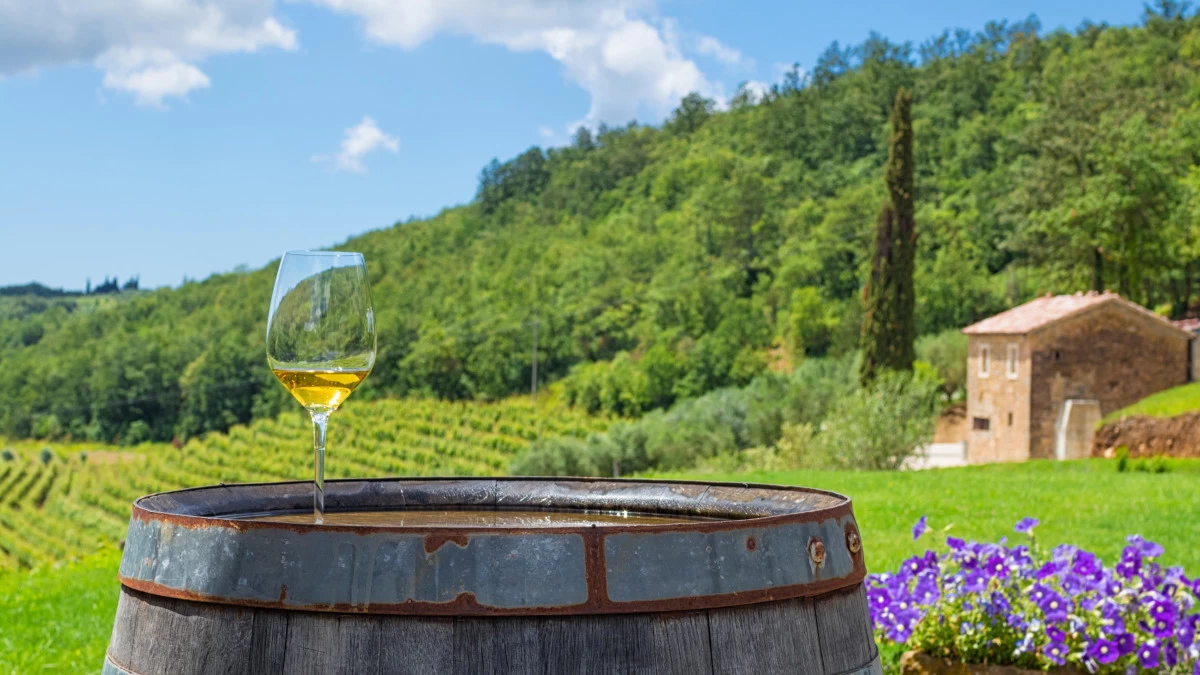
Malvazija Istarska (Istrian Malvasia) is Croatia’s most important white grape and the undisputed queen of Istria. Known for its elegance and versatility, this indigenous variety thrives in the region’s sunny hills and limestone-rich soils, producing wines that range from light and refreshing to rich and complex.
Typical Malvazija wines are aromatic and balanced, with notes of ripe pear, peach, acacia blossom, and subtle almond on the finish. When aged in oak or on fine lees, they gain depth, honeyed tones, and a creamy texture while retaining their signature Mediterranean freshness.
Food Pairings: seafood risotto, grilled fish, shellfish, white truffle pasta, and mild cheeses.
Pošip: The Jewel of Korčula
Native to Korčula, Pošip is one of Croatia’s most celebrated white grapes. Thought to result from a natural cross between Bratovina and Blatska zlatarica, its name reflects the pointy shape of its berries.
Pošip produces dry, golden wines with flavours of dried apricot, fig, and bright acidity. Awarded Croatia’s first white Protected Geographical Indication in 1967, Pošip has since spread across Dalmatia.
Food Pairings: grilled fish, shellfish stew, lobster, and light seafood.
Grk: The Rare Gem of Korčula
Grk, grown primarily in Lumbarda on Korčula, is a rare and highly prized white variety. Because it has only female flowers, it relies on neighbouring vines for pollination, resulting in unique berry clusters that give the wine its subtle bitterness.
Grk produces dry, elegant wines with low acidity and a lingering finish.
Food Pairings: seafood, salads, pork loin, or as an apéritif.
Maraština: A Traditional White with Many Faces
Also known as Rukatac, Maraština is a versatile white grape with a long history in Dalmatia. Once the most planted white grape in the region, it produces dry wines, macerated “orange” wines, and sweet Prošek.
Its thick-skinned berries are well-suited to both fresh and dried styles, making it a favourite among winemakers seeking diversity.
Food Pairings: grilled fish, shellfish, pasta, and white meats.
Plavac Mali: Croatia’s Most Iconic Red
Croatia’s flagship red grape, Plavac Mali, thrives on Dalmatia’s steep, sunny slopes. Descended from Zinfandel (Crljenak kaštelanski/Tribidrag) and Dobričić, this robust variety produces powerful, tannic reds with dark fruit flavours and spicy undertones.
Plavac Mali wines vary by microclimate, from full-bodied examples from Dingač and Hvar to fruitier styles inland.
Food Pairings: aged cheese, wild game, hearty stews, and Prošek (dessert wine) made from its dried grapes.
Teran: The Pride of Istria
Teran is Istria’s signature red grape — bold, rustic, and deeply connected to the region’s red, iron-rich soils known as terra rossa. Once the dominant variety of Istria, Teran is celebrated for its vibrant acidity, firm tannins, and distinctive flavours of dark berries, black pepper, and forest herbs.
In cooler Istrian microclimates, Teran develops a lively freshness and mineral edge, while in warmer spots it gains richer fruit and softer texture. Modern winemakers craft both youthful, fruit-forward versions and complex, oak-aged wines with impressive aging potential.
Food Pairings: Istrian prosciutto, truffle dishes, aged cheese, grilled meats, and hearty pasta with game ragù.
List of Indigenous Croatian Grapes
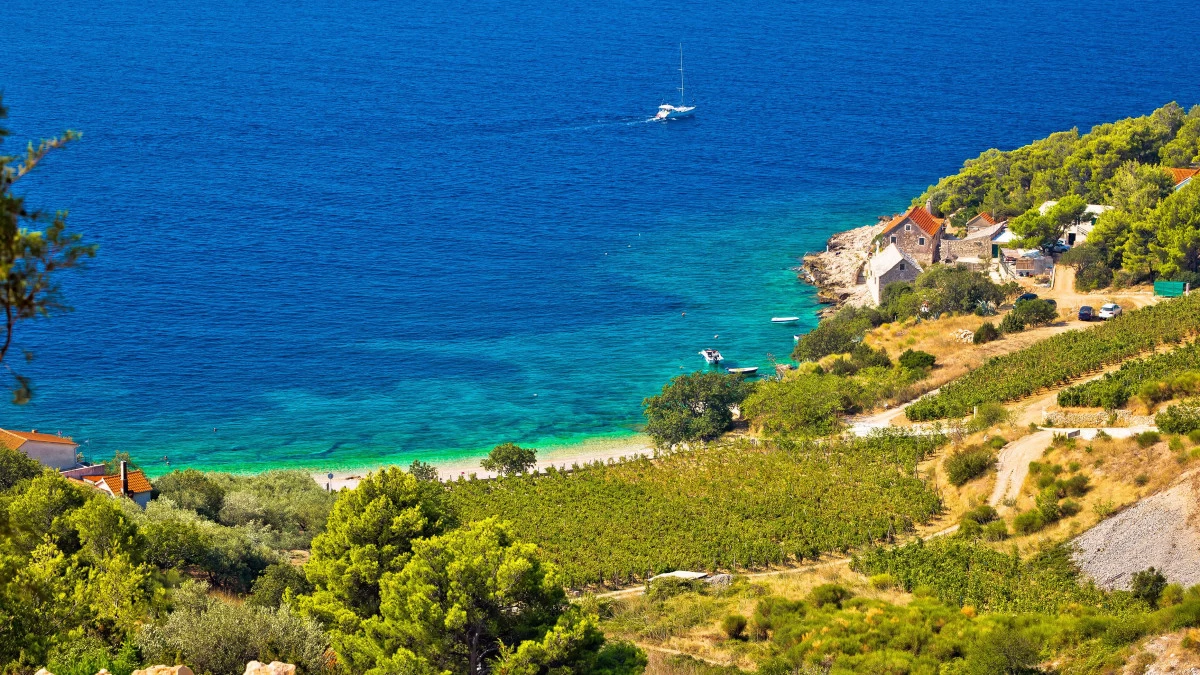
From the Slavonian plains to the most remote Dalmatian islands, as many as 130 indigenous grape varieties grow across the country.
Many of these varieties are almost forgotten today — some are no longer planted but still appear in historical records, while others survive only in small family vineyards or old documents. Together, they represent a living heritage of Croatia’s rich and diverse viticultural tradition.
Among the best-known native varieties are:
Babić, Bogdanuša, Botun, Bratkovina, Cetinka, Crljenak (Crljenak Kaštelanski), Debit, Dišeća ranina (Belina / Petrinjska ranina), Dobričić, Frankovka, Graševina, Grk, Gegić, Hrvatica, Jarbola, Kleščec, Kraljevina, Kujundžuša, Kurtelaška bijela, Lasina, Malvazija, Malvasia Dubrovačka, Maraština, Medna, Moslavac, Muškat, Palaruša bijela, Prč, Plavac Mali, Plavina, Plavec žuti, Portugizac, Pošip, Privlačka Bilina, Pušipel, Ranina bijela, Škrlet, Šipelj, Teran, Traminac, Trbljan bijeli, Trnjak, Vugava, Zlatarica, Žilavka, Žlahtina, Verdić, Mejsko belo, Jarbola, Divjaka, and Brajkovac.
These varieties, with their unique aromas, flavours, and adaptability to Croatia’s diverse terroirs, form the backbone of the country’s authentic wine identity and make Croatian wines stand out on the global stage.
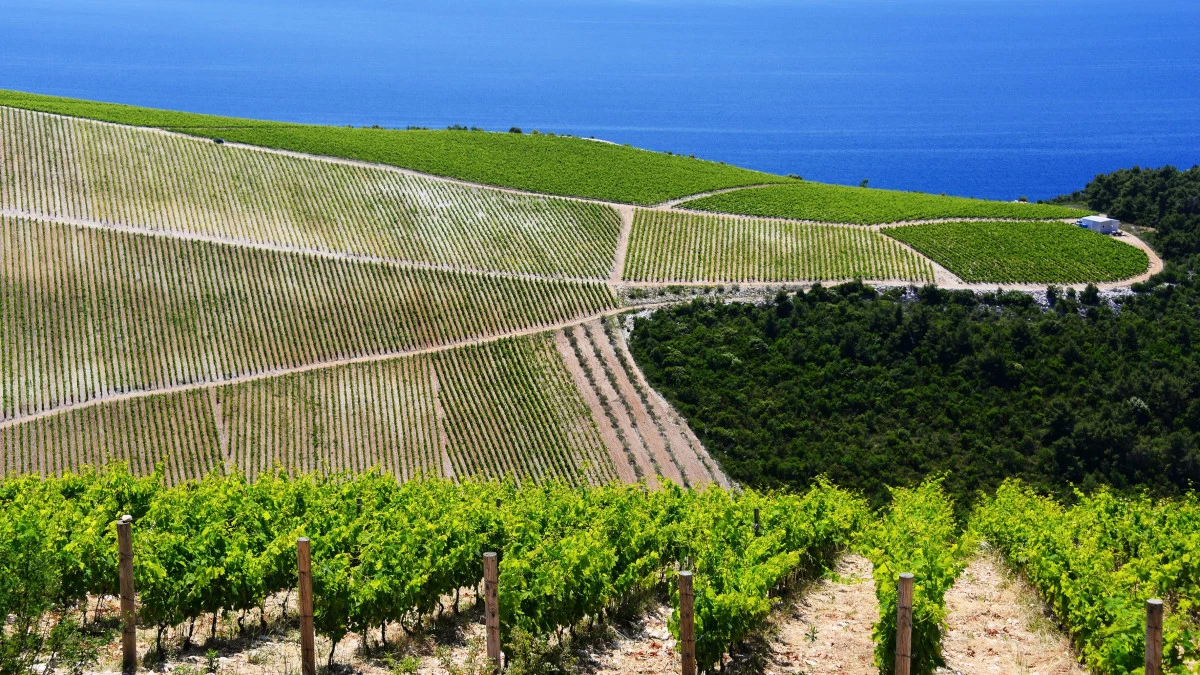
Croatia’s achievements showcase the perfect marriage of tradition and innovation. By championing indigenous grape varieties and perfecting their craft, Croatian winemakers are offering wine lovers an authentic and unforgettable experience.
For anyone looking for originality, quality, and a rich story in every glass, Croatian wines are a worthy discovery.
Photos: shutterstock
