


Discover the authentic flavors of traditional Croatian food along the Adriatic. From Istrian truffles and Dalmatian pašticada to Ston oysters and Rab cake, this guide takes you on a yacht charter journey where every port reveals new culinary treasures. Learn about UNESCO-protected dishes, island specialties, and centuries-old recipes that capture the soul of Croatia.
On your yacht charter journey, talented chefs on board will take you on a culinary adventure like no other. Yet, beyond the deck and into the charming coastal towns, another layer of flavor awaits. Here, we turn to traditional Croatian food—the kind you’ll discover in authentic taverns and seaside restaurants. From rustic recipes passed down through generations to dishes shaped by centuries of Mediterranean influence, these meals capture the very soul of the Adriatic.
Some traditional Croatian dishes are recognized as intangible UNESCO cultural heritage, including Komiška pogača, Brački vitalac, Soparnik, the green stew of Konavle, Dubrovnik’s famous Šporki makaruli and many other.Alongside these treasures, many beloved recipes across Croatia stand out for their simplicity and ability to bring people together. These meals often require only a few ingredients, yet they are most enjoyable when shared with family and friends. Whether it’s a casual Sunday lunch or a festive gathering, these specialties never fail to satisfy and create a true sense of celebration at the table.
You’ve probably heard the saying, “the way to the heart is through the stomach.” Nowhere is this truer than along the Adriatic, where sailing and gastronomy come together beautifully. If you’re looking for a journey that combines the pleasures of cruising with culinary discovery, Croatia is the perfect place to start. Whether you crave meat, seafood, vegetables, or sweets, the coast offers a feast of flavors waiting to be enjoyed. For tips on where to eat while sailing, read our Michelin-starred restaurants to visit on a yacht charter and discover Croatia’s most exquisite dining experiences by the sea.
This guide focuses on coastal delicacies you’ll find in restaurants and taverns during your yacht charter. While inland Croatia boasts its own treasures—like paprikaš, čobanac, Zagorje štrukli, corn-flour zlevka, Slavonian kulen, Rudarska greblica and many more—our journey takes you along the shore, where centuries of maritime and Mediterranean traditions shaped the cuisine.
Istria – A Gourmet Beginning
Begin your sailing route in Umag, continuing along the western Istrian coast with stops in Poreč and Rovinj, and enjoy the traditional flavors of this gourmet region.
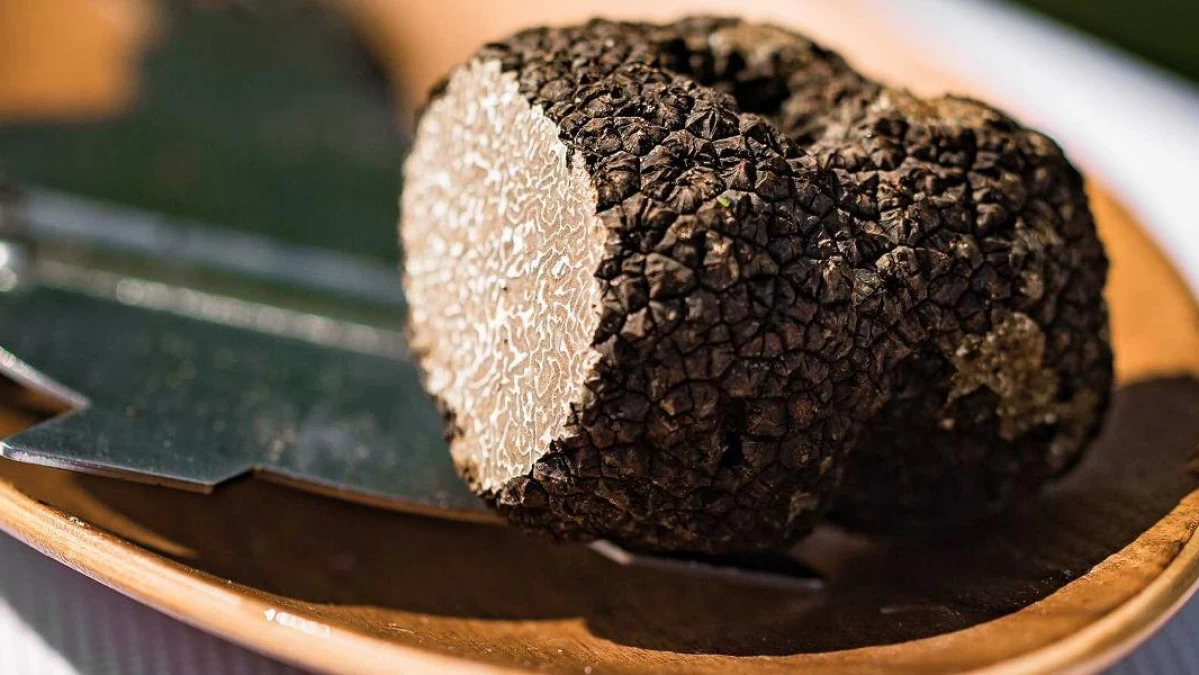
- Istrian Truffles (Istarski Tartufi): The jewel of Istrian gastronomy, truffles thrive in the moist soil of the Mirna River valley and are found only with the help of trained dogs. Both black and the rare white truffle are prized, often shaved over pasta, risotto, or eggs.
- Istrian Fuži: This handmade pasta, shaped like small flutes, dates back to the early 20th century. Fuži pairs wonderfully with truffle sauce, asparagus, seafood, or hearty meat ragù.
- Istrian Prosciutto (Pršut): Produced using centuries-old traditions of salting and drying, this delicacy is served thinly sliced in taverns and restaurants across the peninsula. Its rich aroma makes it an essential part of any Istrian platter.
- Maneštra: The region’s beloved stew, made from potatoes and beans, often enriched with dried meat and seasonal vegetables. Each family has its own recipe, making maneštra a symbol of Istrian home cooking.
- Boškarin Beef: This traditional Istrian ox is now considered a gourmet delicacy. Its tender meat is prepared in stews, grilled, or paired with local wines.
- Žgvacet: A traditional poultry stew, usually served with fuži or gnocchi, and a staple of family gatherings.
- Fritaja: A rustic omelette of eggs, bacon, onions, and seasonal ingredients like wild asparagus, often prepared during spring festivities.
- Pazinski Cukerančić: Sweet cookies from Pazin, traditionally dipped in Malvasia wine and then coated in sugar, once a common treat at weddings.
Dubrovnik Region – Rustic Culinary Treasures
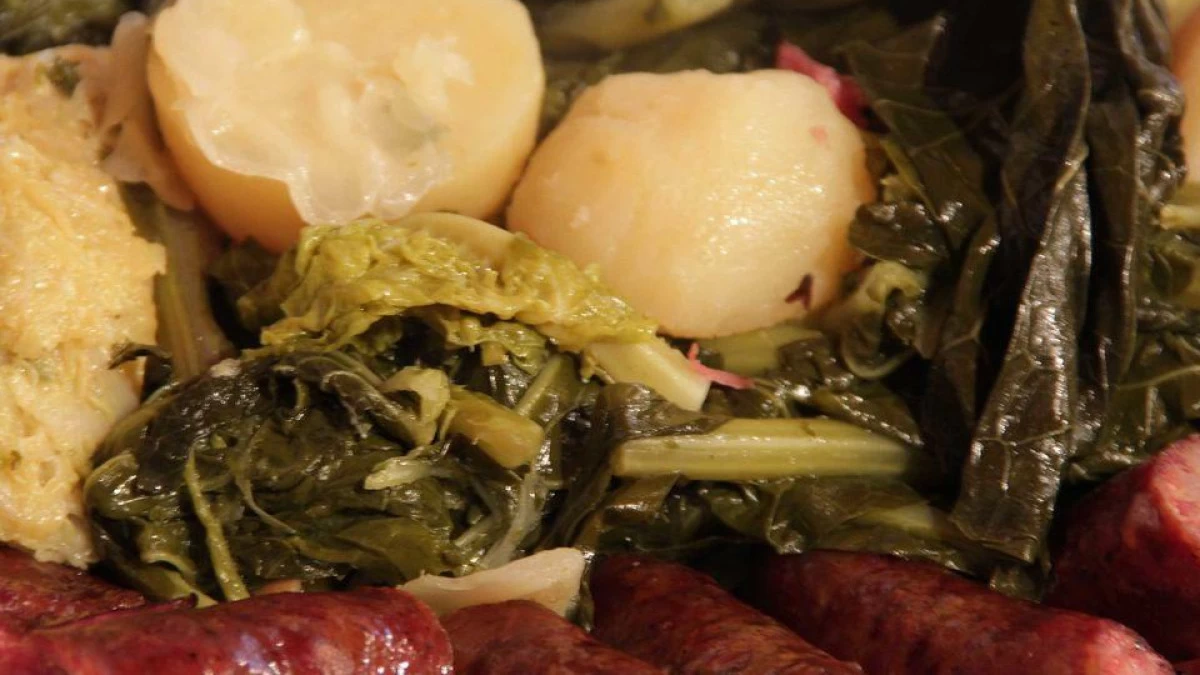
Konavoska Zelena Menestra
This rustic dish has deep roots, with written records from the 15th century highlighting it as a Konavle specialty. The stew combines green and white cabbage, kale, and potatoes with a variety of smoked or dried meats—everything from ribs and pancetta to prosciutto bones or sausage, depending on what was available. Traditionally, the stew was left to rest before serving, ensuring the flavors deepened. At the table, horseradish was grated fresh over the plate, giving the dish its signature aroma and balance of earthy vegetables with savory meat.
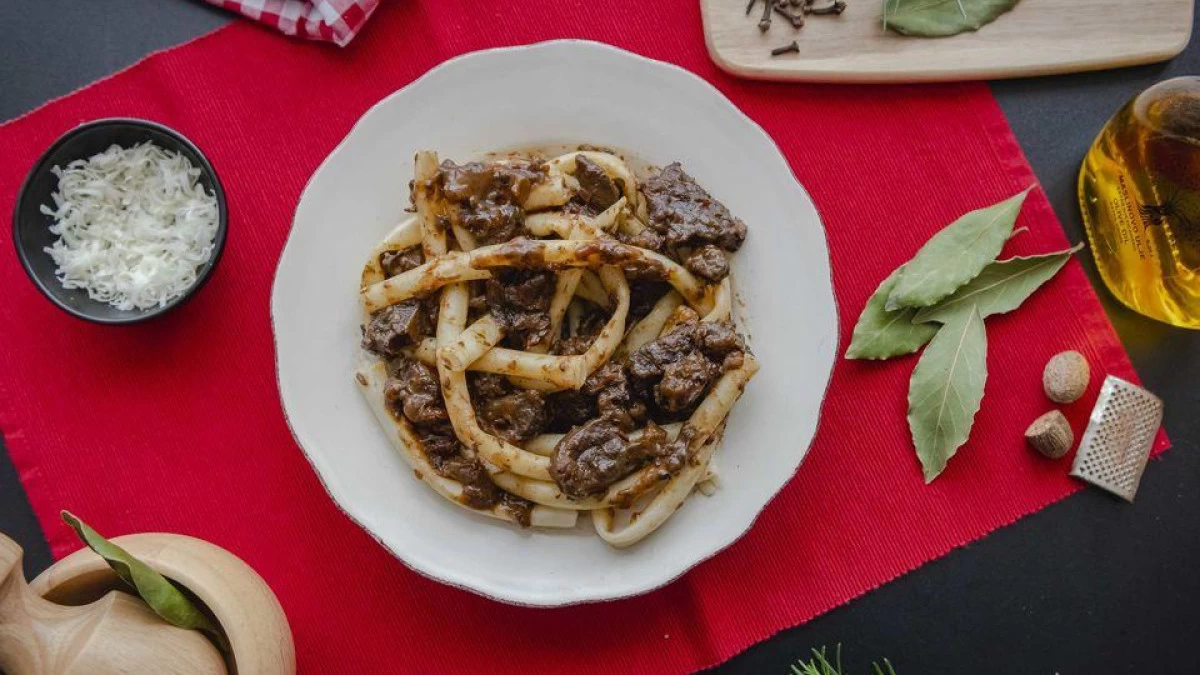
Šporki Makaruli
Another Dubrovnik favorite is šporki makaruli, literally meaning “dirty macaroni.” This pasta dish, once served during the Feast of Saint Blaise, carries a story from the city’s aristocratic past. While the nobility enjoyed the tender cuts of meat in the rich sauce, the servants were left with the pasta coated only in the flavorful juices—hence the “dirty” name. Today, the dish is prepared with a slow-cooked meat ragù, often made from beef or veal, generously ladled over handmade macaroni.
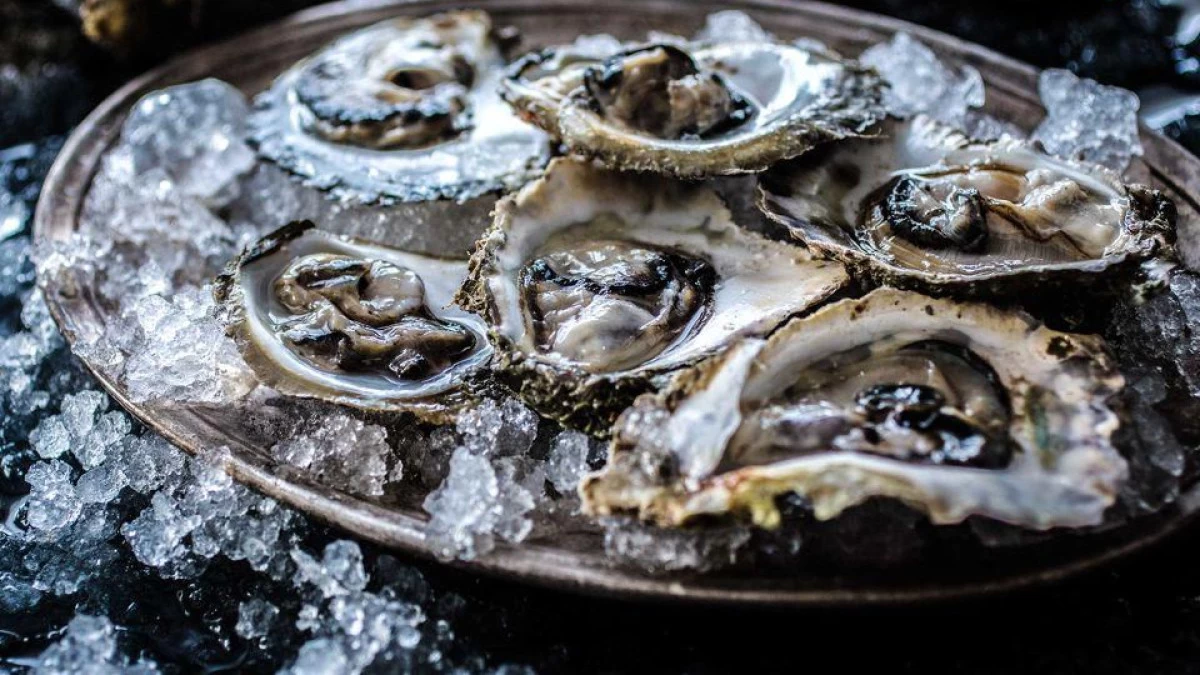
Oysters from Ston
The story of Pelješac is incomplete without its famous oysters. Cultivated in the Bay of Mali Ston since the 13th century, these oysters thrive where freshwater springs meet the sea, giving them a uniquely sweet, delicate flavor. Best enjoyed raw with just a squeeze of lemon, they are most flavorful in March during the Feast of St. Joseph. Local lore even attributes them with restorative and aphrodisiac qualities.
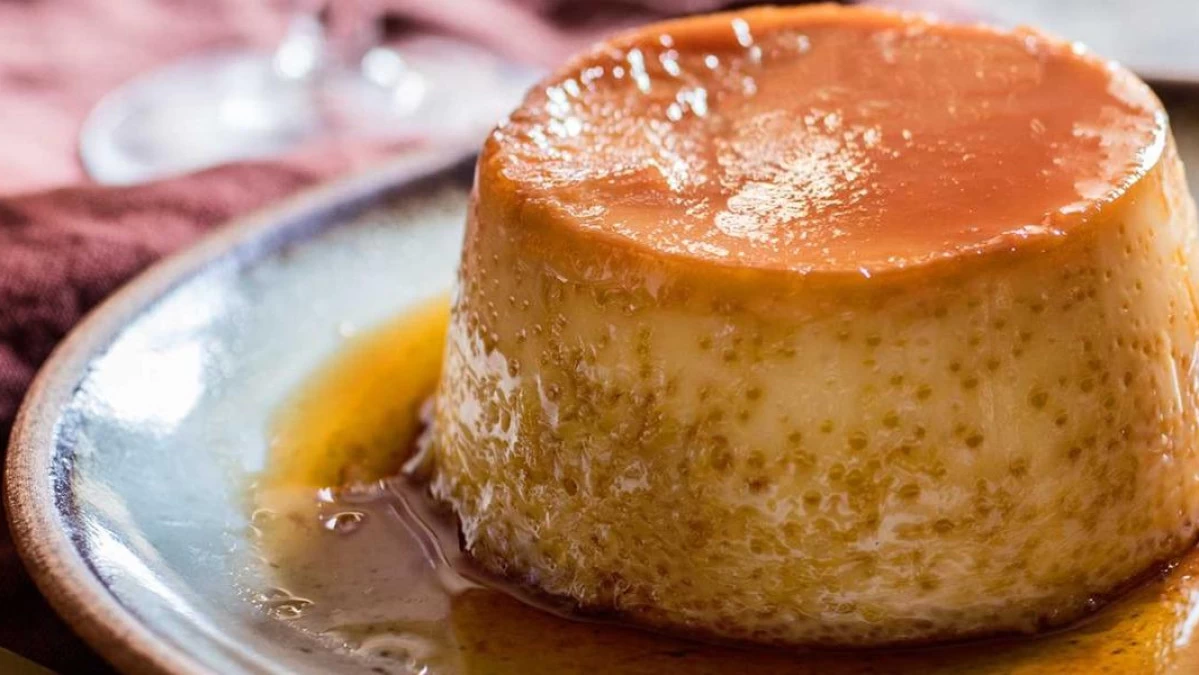
Rožata
Rožata, similar to crème brûlée or crema catalana, is a custard dessert flavored with rose liqueur, from which it takes its name. Dating back to the Middle Ages, it remains a staple in both homes and fine restaurants. Served chilled with caramel sauce, it is especially refreshing in summer and has even been served at state dinners.
Flavors of Kvarner and the Islands
No culinary journey through Croatia’s coastline would be complete without tasting the specialties of Kvarner and its islands, where centuries-old traditions meet pristine Adriatic waters.
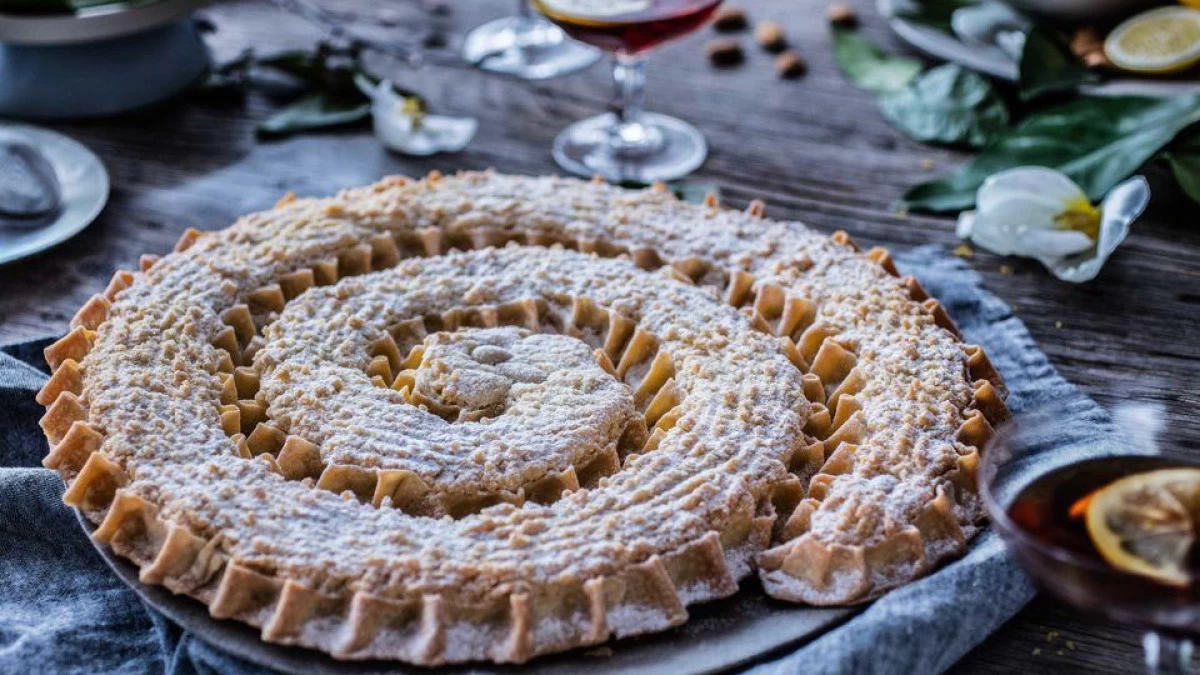
Rab Cake (Rapska Torta)
Perhaps the most iconic sweet of the island of Rab, this cake has been prepared for centuries according to a closely guarded recipe passed down orally through generations. Legend has it that the very first slice was served to Pope Alexander III in the 12th century during the consecration of Rab’s cathedral. The delicate combination of almonds, lemon zest, eggs, sugar, and a splash of Maraschino liqueur makes this cake a refined dessert, often paired with sparkling wine or prošek. Today, it is both a beloved treat and a sought-after edible souvenir.
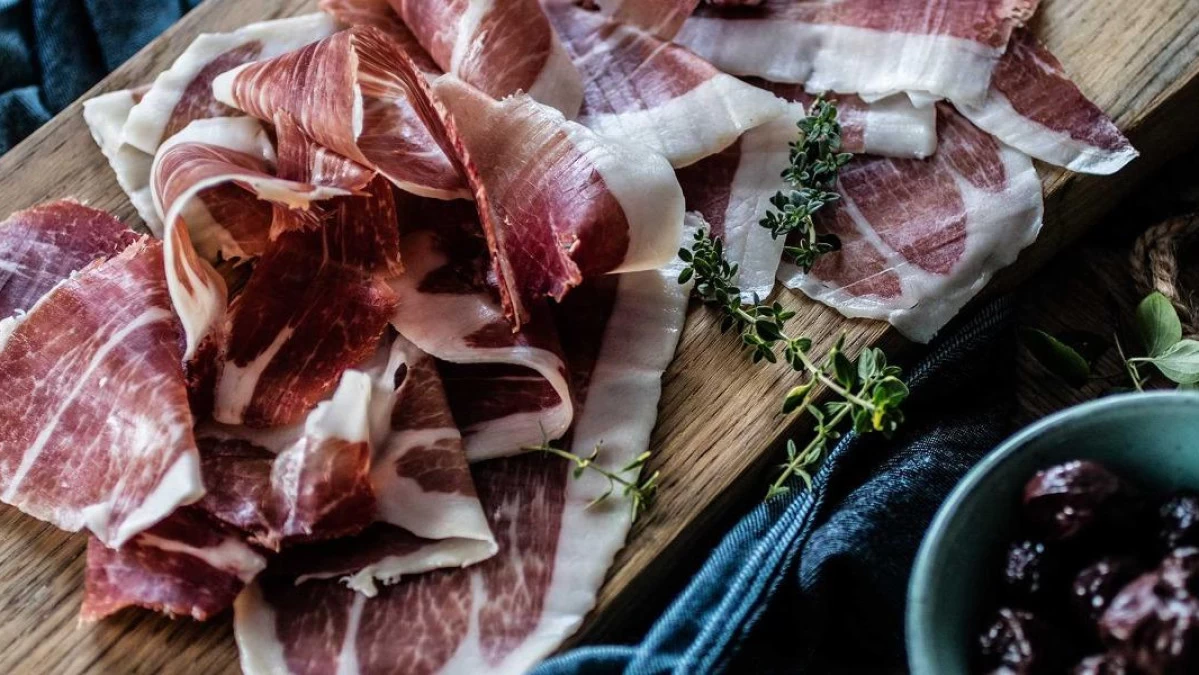
Krk Prosciutto (Krčki Pršut)
The island of Krk is not only famed for its beauty but also for being the only Croatian island with a protected designation of origin for its prosciutto. Krčki pršut was the very first Croatian product to receive EU recognition for geographic origin. Air-dried with traditional methods and celebrated at home and abroad, this prosciutto can be sampled at the House of Krk Prosciutto in the village of Vrh, where visitors can learn about the production process, taste the delicacy, and purchase it as a gourmet keepsake.
Šurlice Pasta
Hand-rolled for centuries by local women, šurlice is the signature pasta of Kvarner. These delicate tubes are typically paired with scampi, lamb stew (žgvacet), seafood, or simply topped with fresh sheep’s cheese. Each region and family has its own twist on this versatile dish.
Other Local Sweets and Traditions
- Smokvenjak: A simple, wholesome treat made of dried figs, nuts, and spices, shaped into cakes and sliced.
- Frankopan Cake: A historical dessert inspired by a 17th-century recipe, offering a taste of aristocratic heritage.
- Kvarner Scampi: These prized shellfish are considered the finest ingredient of the region. Distinguished by their bright red color and thin shell, they thrive only in the shallow, spring-fed waters of the Kvarner Gulf, which give them an exceptionally tender and sweet flavor. Served raw with olive oil and lemon, tossed into risotto or pasta, or prepared na buzaru with garlic, tomato, and white wine, they are the undisputed stars of the local table.
This is just a glimpse of Kvarner’s culinary heritage. Alongside these specialties, the northern Adriatic shares many dishes with Istria and Dalmatia, such as brudet (fish stew), black risotto, fritule (sweet fritters), soparnik (Swiss chard pie), pašticada (slow-cooked beef), and the iconic meals prepared ispod peke (under the iron bell). Each destination along the coast adds its own interpretation, ensuring that every stop on your sailing adventure offers a new culinary discovery.
Among the many traditional sweets of Croatia, you’ll also find a delightful variety—arancini (candied orange peel), limuncini (candied lemon peel), almonds coated in sugar, and pastries that reflect centuries of island tradition.
Dalmatian Cuisine – A Feast of Tradition and Flavor
When a host in Dalmatia wishes to showcase the very best of local gastronomy, the table is set with risotto, brudet, pašticada, prosciutto, and more. These dishes are bursting with Mediterranean aromas, and their preparation reflects a culinary tradition so healthy that UNESCO has recognized the Mediterranean diet as part of the world’s intangible cultural heritage. With its unique blend of sea, land, and abundant sunshine, Dalmatia produces superb local ingredients: olive oil, fresh fish and seafood, and fragrant herbs such as bay leaf, sage, and rosemary.
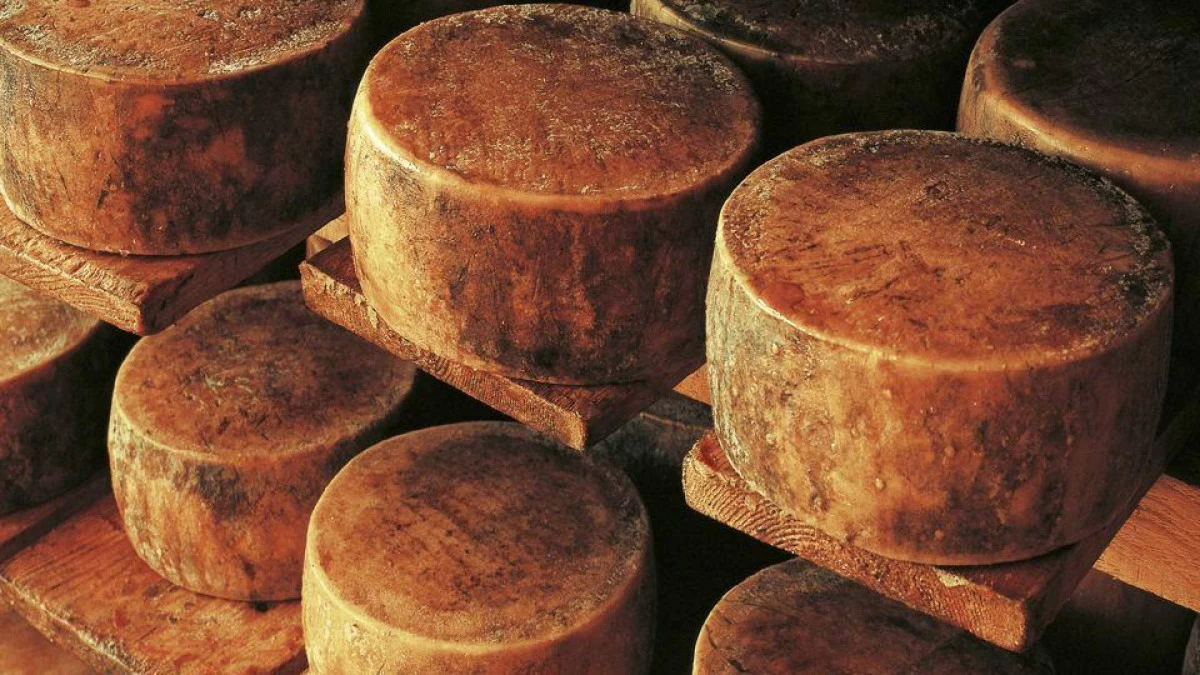
Island of Pag – Paški Sir
Produced exclusively on the island of Pag, Paški sir is considered Croatia’s most famous cheese. Made from the milk of hardy island sheep that graze on salty, herb-covered pastures, its flavor is intense and complex. Consistently awarded international prizes, it is enjoyed both young and after long aging, with its whey (skuta or puina) forming delicacies of its own.
Skradin – Skradin Risotto
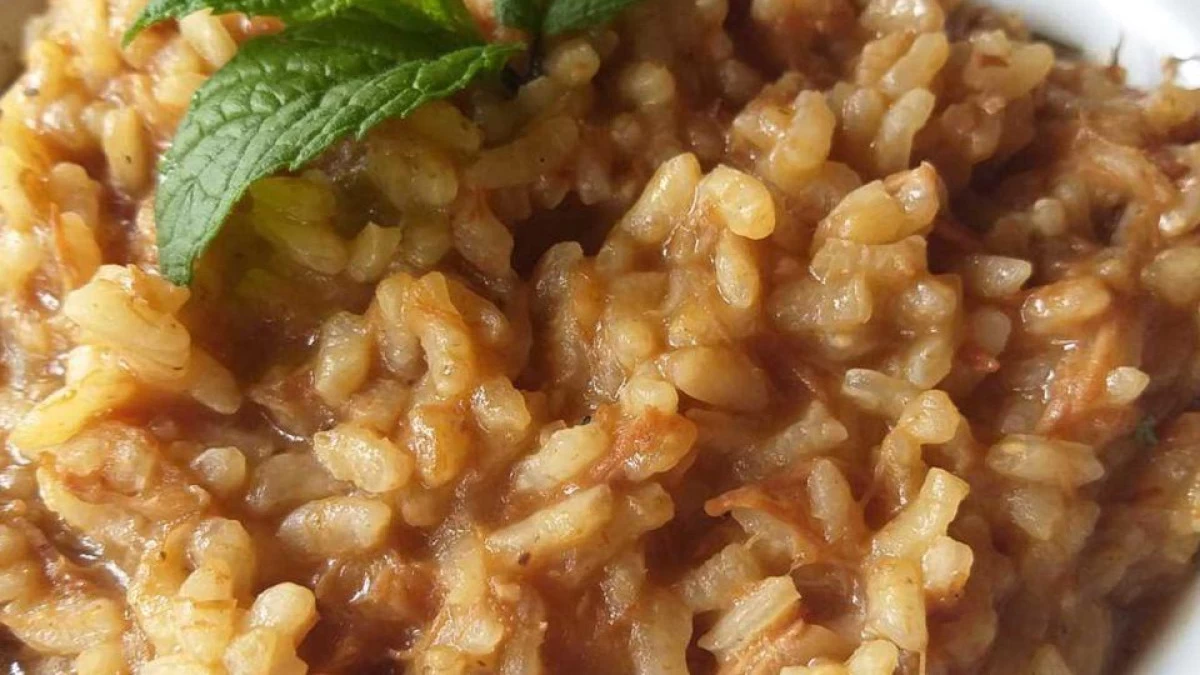
This legendary veal risotto is one of Dalmatia’s most exclusive dishes, prepared for weddings and major celebrations. The recipe, over 150 years old, is passed down orally, and locals say it is not worth cooking for fewer than 100 people. Traditionally simmered for 8–12 hours in giant pots, true Skradin risotto can only be found in a handful of local taverns, where it is still made according to ancient methods.
Island of Vis – Komiža Flatbread & Viški Cviti
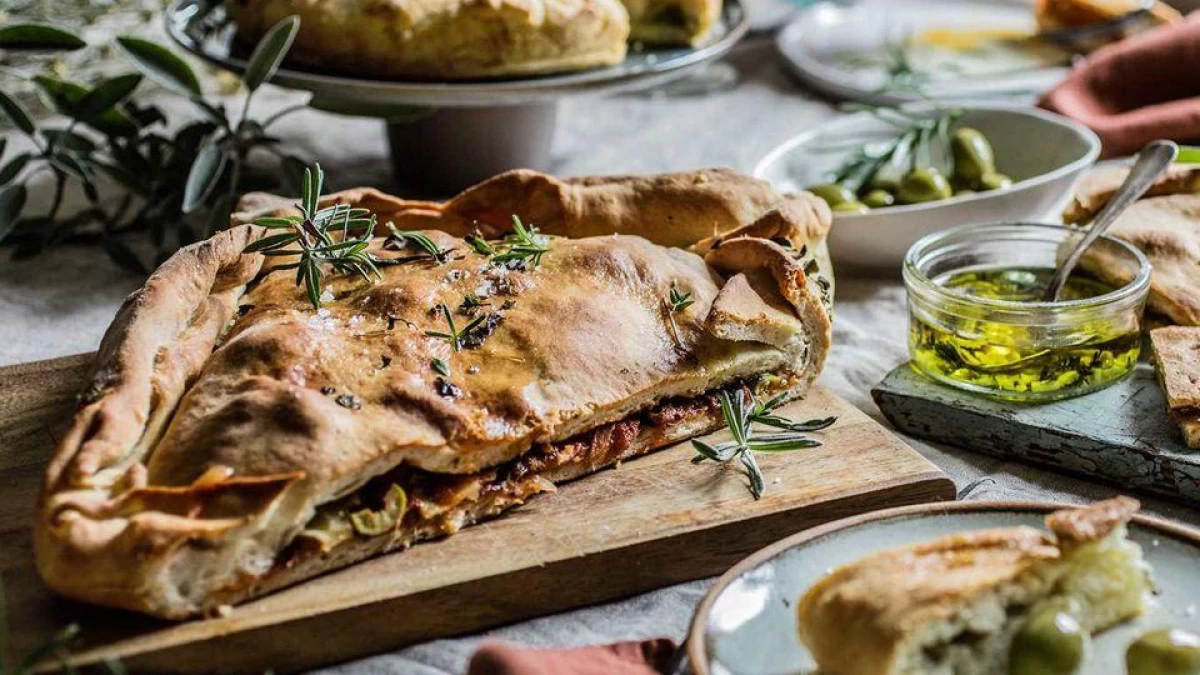
On the island of Vis, in the charming fishing village of Komiža beneath Mount Hum, you’ll find Komiška Pogača, a savory flatbread made with yeast dough, onions, tomatoes, capers, and salted fish such as anchovies or sardines. Cut into squares, it’s hearty enough to enjoy as a snack or even a main meal, pairing beautifully with a glass of red wine or a chilled beer.
Vis is also home to Viški Cviti, flower-shaped cookies that are over a century old. Light, crisp, and flavored with anise oil, they reflect the island’s cultural identity and festive traditions.
Island of Korčula – Lumblija
What makes lumblija unique is not only its flavor but also the story tied to its origin. It is prepared exclusively in the towns of Blato and Vela Luka, where the legend was born. During Napoleon’s occupation of Dalmatia, a young French soldier—most likely a Corsican baker—fell in love with a local girl from Korčula.
As in many tales, duty forced him to leave, but before his departure, he baked her a special cake. He named it after the French words “N’oublie pas” (“Do not forget me”). The girl, unable to pronounce the phrase, called it lumblija—and the name remained.
Made from almonds, raisins, lemon and orange zest and juice, olive oil, and varenik (a reduced grape must syrup), lumblija is rich, fragrant, and symbolic. Traditionally baked on All Saints’ Day, it is both a remembrance of loved ones and a festive holiday treat. Today, lumblija is more than a cake—it is a piece of living heritage that connects Korčulans to their history and loved ones.
Island of Brač – Hrapoćuša & Vitalac
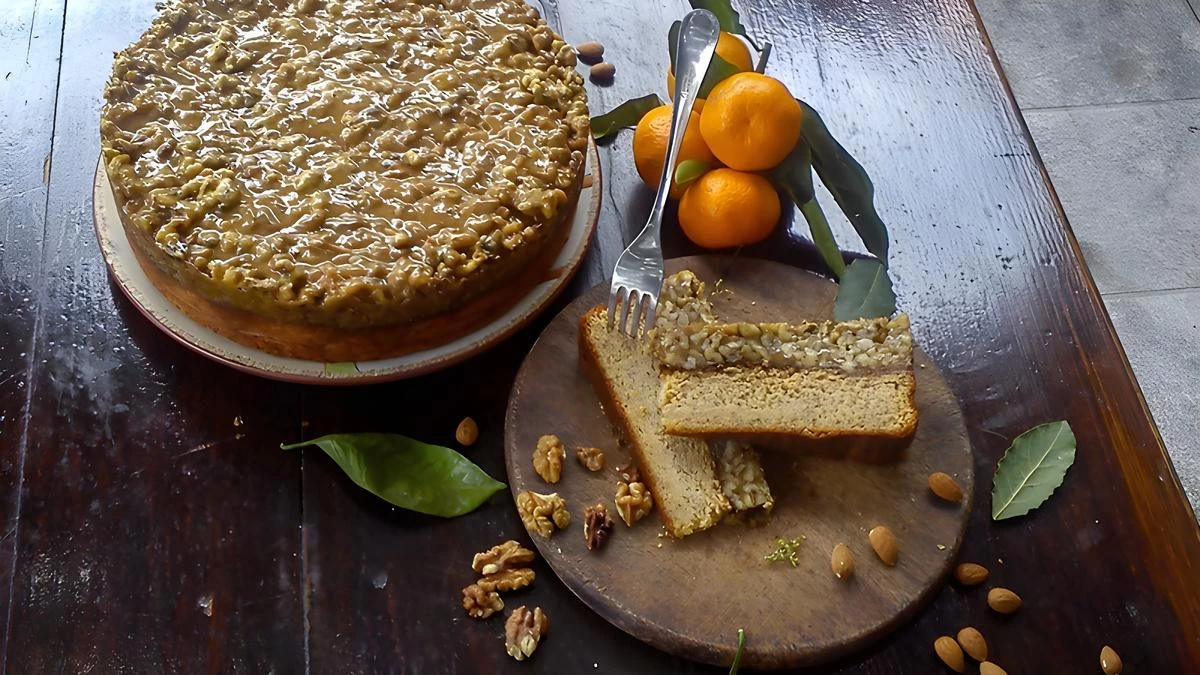
From the village of Dol comes hrapoćuša, a rugged walnut cake whose surface resembles the island’s red stone. Traditionally baked for weddings and birthdays, its recipe was long kept secret by the women of Dol.
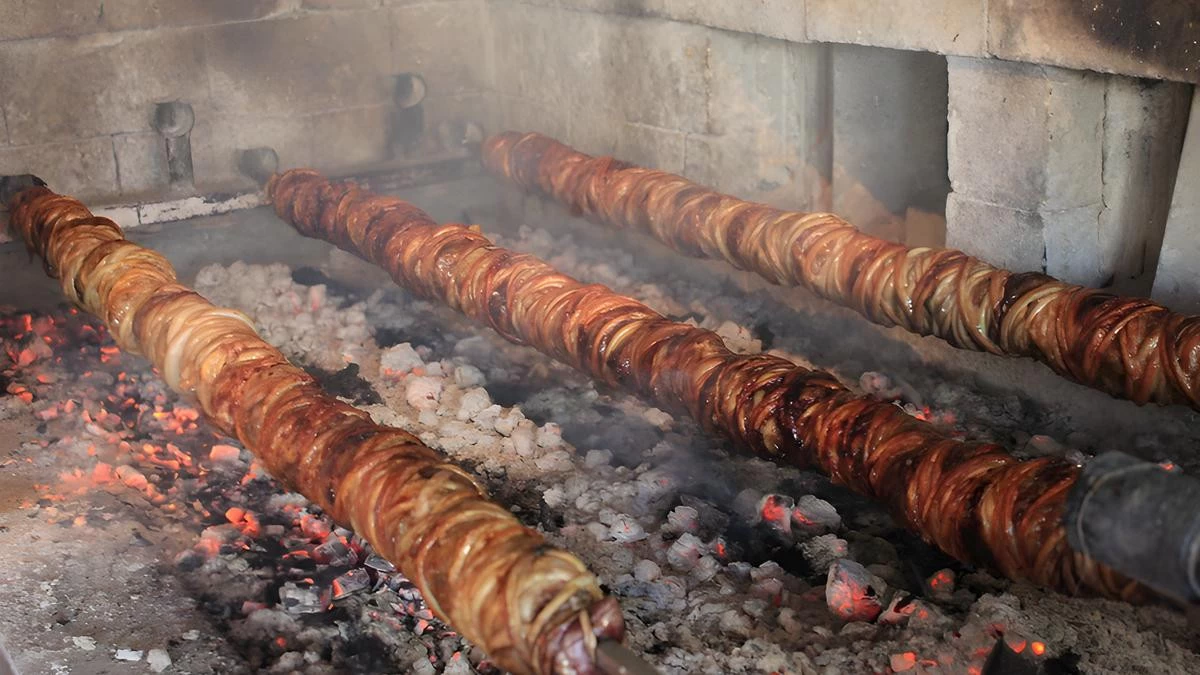
Brač is also home to vitalac, a dish of lamb or goat offal wrapped in caul fat and roasted on a spit. Once humble shepherds’ food, it is now recognized as protected intangible cultural heritage, offering a taste of ancient Greek traditions.
Island of Hvar – Gregada
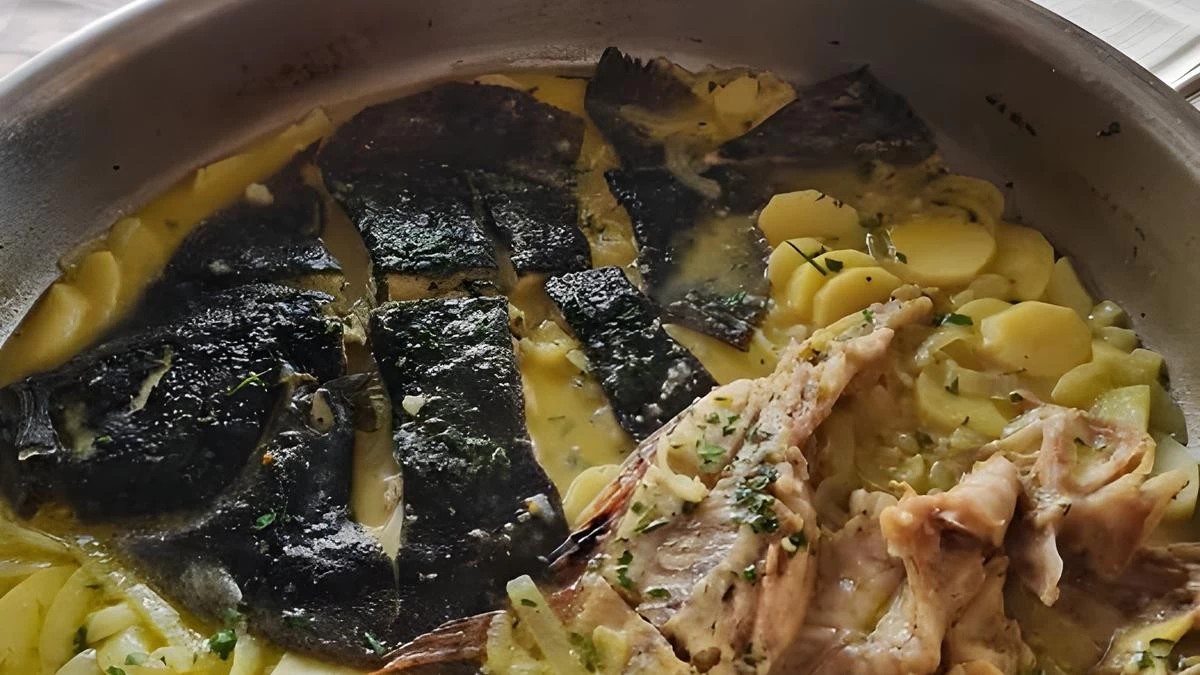
Gregada, the signature dish of Hvar, is a fish stew of white fish, potatoes, and olive oil. Originally prepared with smaller catches unsuitable for grilling, today it is celebrated as one of Dalmatia’s oldest and purest seafood recipes.
Island of Lastovo – Sea and Sweets
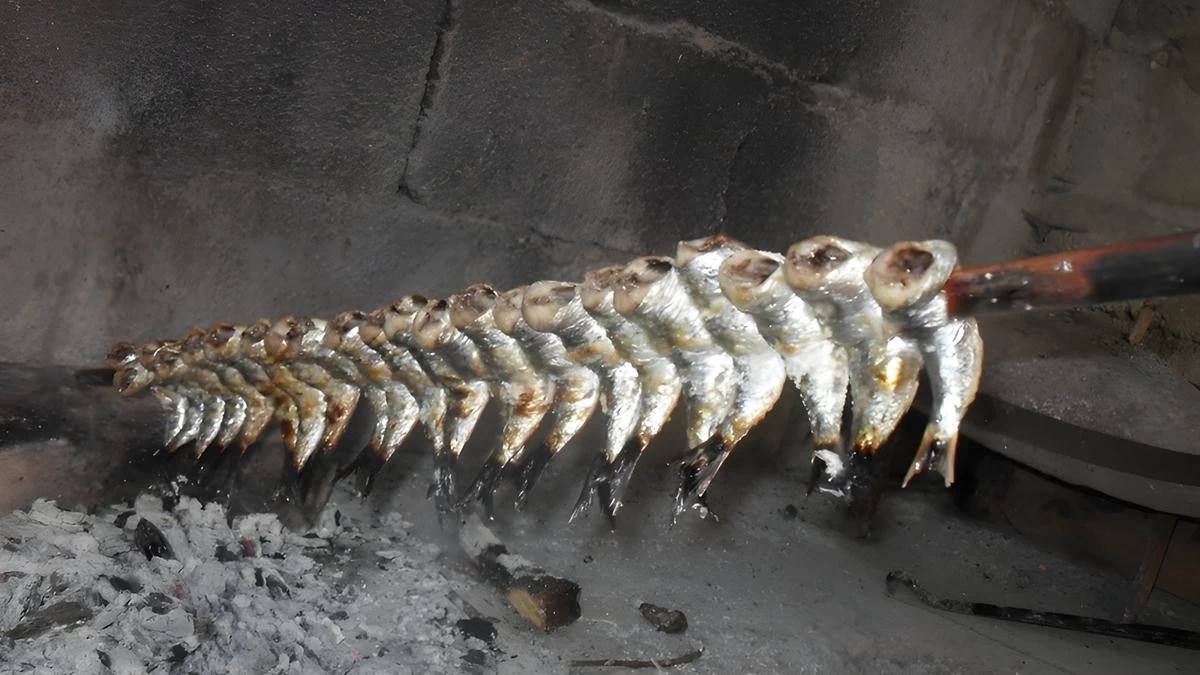
On Lastovo, the culinary identity is shaped by the sea. Local favorites include sardines grilled on a skewer, brodet made with conger eel, and moray eel prepared on the grill. For dessert, Lastovo offers skalice, crunchy pastries often served at celebrations, and kotonjata, a fragrant quince jelly.
Kaštela – Sipa s Bobom
Cuttlefish with broad beans, a hearty Dalmatian specialty.
Split – Splitska Torta
Split takes pride in its famous Split Cake (Splitska torta), a Mediterranean dessert made with walnuts, dried figs, and raisins. Rich and festive, it is often served for special occasions.
Island of Mljet – Eels from the Blatine
On Mljet, a special place in gastronomy belongs to eels caught in the island’s blatine—brackish lakes where saltwater and freshwater mix. These unique ecosystems give the eels their distinct flavor. They are traditionally prepared on the grill (na gradele) or in a rustic brudet stew.
Dalmatian Classics – Heritage and Everyday Favorites
Pašticada with Gnocchi
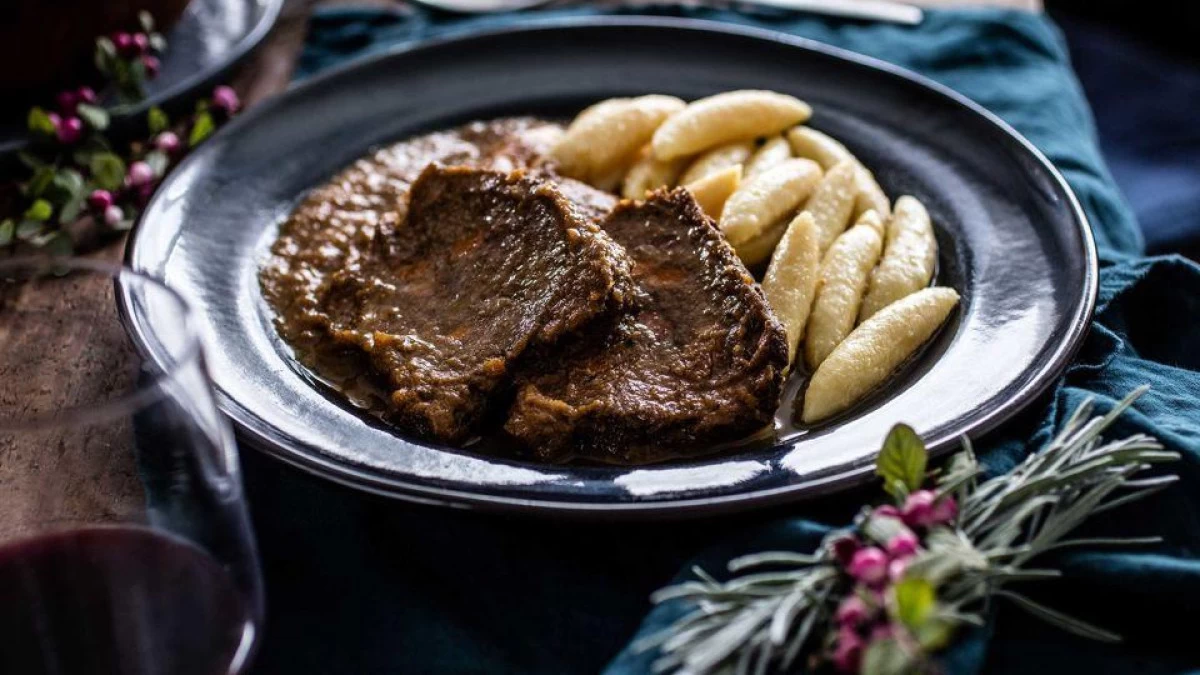
Few dishes are as iconic as pašticada. With origins traced back to ancient Greek and Roman recipes, this slow-cooked beef dish has been perfected on the Dalmatian coast and passed down for generations. Prepared for weddings and feast days, it is braised in a rich sauce of wine, vinegar, and aromatics, then served with homemade gnocchi.
Poljički Soparnik
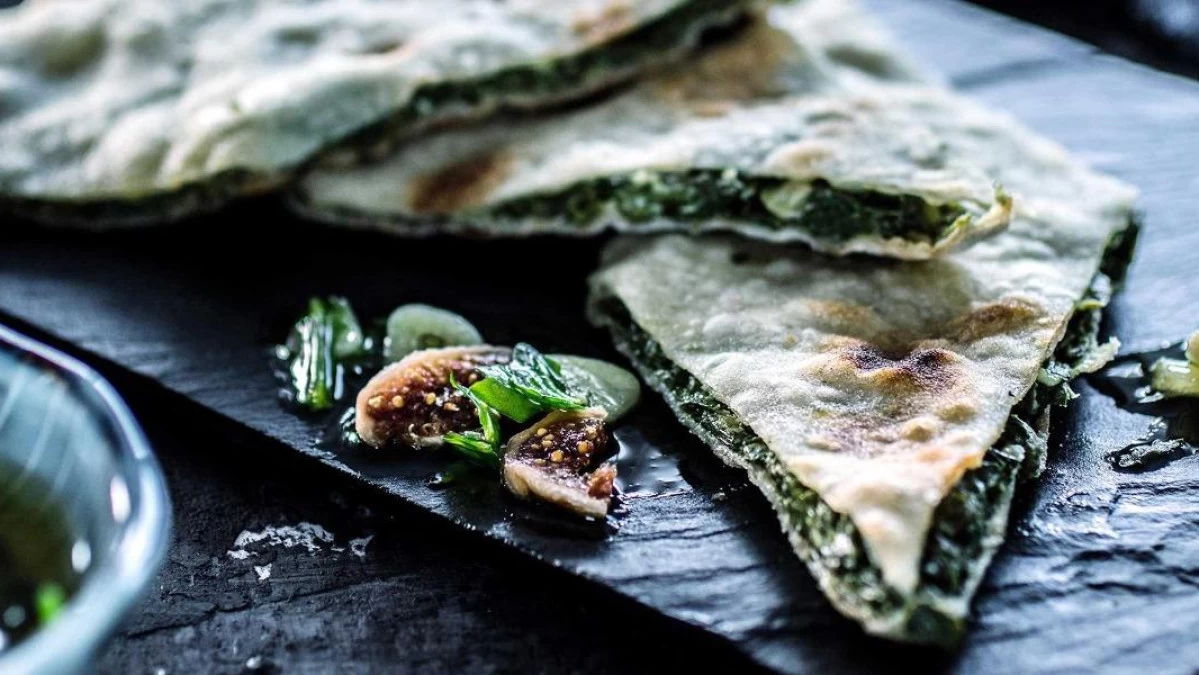
From Poljica, south of Split, comes soparnik, a Swiss chard pie baked between two sheets of dough under hot ashes.
Brudet
Known as brudet, brujet, or brodet, this fragrant fish stew varies by town and family. In the Neretva Valley, it includes eels and frogs. Traditionally served with polenta, brudet is one of Dalmatia’s most beloved comfort foods.
Octopus Under the Peka
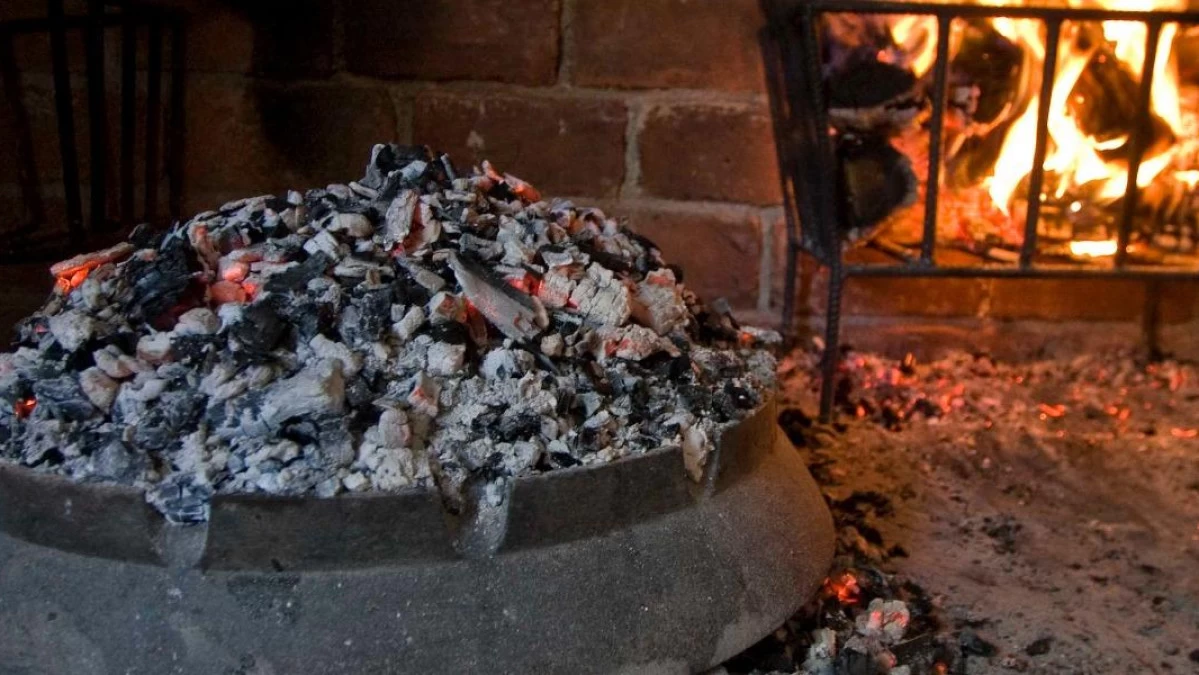
Octopus baked under the peka—an iron dome covered with embers—has become a prized delicacy. The slow cooking blends the flavors of octopus, potatoes, olive oil, and herbs into a tender, savory dish.
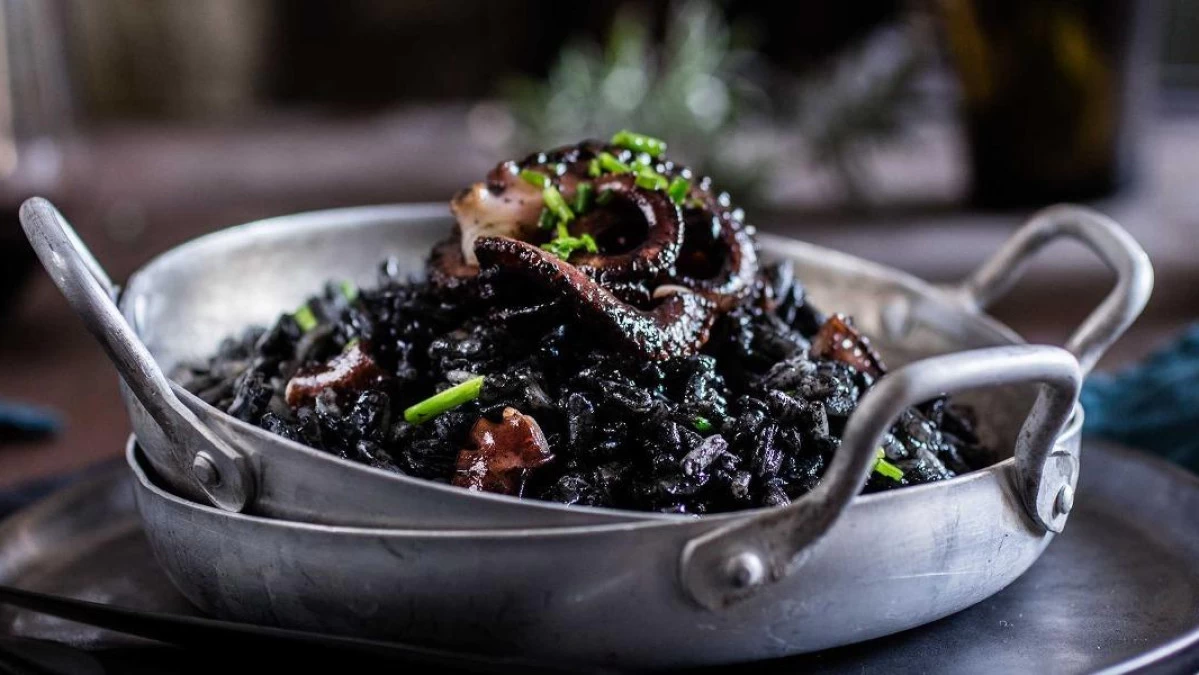
Black Risotto
Prepared with cuttlefish and its ink, black risotto is striking in both color and taste. Once a Christmas Eve staple, it is now served in fine restaurants across the coast.
Dalmatian Prosciutto
Protected by EU designation, Dalmatian pršut is cured with sea salt, smoke, and the region’s winds. Aged for a one to three years , it is sliced thin and served with cheese, olives, and bread, symbolizing hospitality and tradition.
Dalmatian Sardines
On Ugljan, in the fishing village of Kali, sardines are central to daily life. Best grilled fresh, they are also preserved by salting or marinating. Once simple fishermen’s fare, they now inspire creative modern dishes.
In the 1950s and 1960s, the Croatian coast was home to 22 fish canning factories, strategically spread from Umag to Slano. Unfortunately, during the 1960s, factories specializing in small bluefish began to close down. The Homeland War and privatization accelerated the decline, leaving only two still operating on the islands today: Mardešić in Sali on Dugi Otok and Sardina on Brač.
A Culinary Journey on the Waves
Croatia’s coast is a living cookbook. Each port reveals a new specialty: truffle pastas in Istria, noble macaroni in Dubrovnik, scampi in Kvarner, and rustic stews in Dalmatia. Sailing here means every anchorage offers not just a new horizon, but a new flavor, a new story, and a centuries-old tradition.
For yacht charter travelers, this is more than a holiday—it’s a voyage where sea breezes mingle with the scents of rosemary, olive oil, and grilled fish. In Croatia, cuisine doesn’t just fill the stomach; it captures the soul.
Photo: HTZ, Ivo Biocina, Niksa Raguz Lucic, Maja Danica Pecanic, Damir Fabijanic, Goran Sekula
