


Island hopping in Croatia is one of the most rewarding ways to explore the Adriatic, and reaching the islands has never been easier. With coastal airports in Split, Dubrovnik, and Zadar located just minutes from major ferry ports and marinas, you can step off the plane and begin your Croatia yacht charter or island-hopping adventure the very same day.
Island hopping takes on a different rhythm depending on where you sail. In Greece, the Aegean and Ionian seas offer a mix of short and moderate passages — often between 10 and 30 nautical miles apart — perfect for leisurely cruising between historic ports and whitewashed villages. In the Caribbean, hopping between the Windward and Leeward Islands means longer stretches — typically 40 to 70 nautical miles — bringing open-water adventure across sun-drenched horizons.
The British Virgin Islands, by contrast, are compact and tailor-made for relaxed sailing. With most islands just 5–15 nautical miles apart, you can glide through calm, protected waters and drop anchor in a new cove each day — ideal for first-time sailors or anyone seeking an easygoing tropical escape.
But along the Croatian coast, island hopping takes on its own distinct rhythm — shorter distances, calm seas, and endless variety. Many routes are under 20 nautical miles, allowing for multiple island stops in a single day. That means more time for swimming in turquoise bays, exploring medieval towns, or simply soaking in the slow, golden glow of the Adriatic.
Table of Contents
Croatia’s coastline unfolds as a mosaic of over a thousand islands, each with its own charm and character. From the historic ports of Dubrovnik and Split to the tranquil inlets of Vis, Hvar, and Brač, the magic of Croatia lies in discovery — one island at a time. Whether you’re sailing by yacht or traveling by ferry, each journey feels like a voyage through living history, where Roman ruins, Venetian palaces, and fishing villages coexist beside pristine nature.
By day, you can dive straight from the deck into crystal-clear water or anchor near a secluded beach accessible only by boat. Evenings are for wandering through timeless streets — down the marble alleys of Korčula’s Old Town or Split’s Diocletian’s Palace — where ancient stones glow under lantern light and the scent of grilled seafood drifts from hidden konobas.
Onboard, chefs prepare regional dishes with local ingredients — freshly caught fish, olive oil from nearby groves, and chilled Pošip or Plavac Mali from island vineyards. This is Croatia — not just seen, but felt. Slow, sun-drenched, and utterly spellbinding.
Explore Croatia by Yacht Charter
For those seeking the most effortless and luxurious way to experience Croatia’s islands, a yacht charter or small-ship cruise is the ultimate choice. Cruises usually visit between five and seven islands in a week, offering the perfect balance of exploration and relaxation — with accommodation, meals, excursions, and activities curated to your wishes.
Whether you’re sailing between Hvar and Vis, dining under the stars in a quiet bay, or waking up to sunrise over the Kornati archipelago, a yacht charter lets you discover Croatia as it’s meant to be — free, fluid, and deeply connected to the sea.
If you’re looking to island hop between Split and Dubrovnik, some of the top islands to visit include Brač, the Elaphiti Islands, Hvar, Korčula, Lastovo, Mljet, and Vis. For an extended adventure, travel north from Rijeka to the Kvarner Islands — Krk, Cres, Lošinj, and Rab — each offering its own distinct atmosphere.
You can sail and island-hop along the Croatian coastline all year round, though the most flexible ferry and yacht schedules operate from May to October. The June–September period brings the best weather, warm sea temperatures, and a lively coastal atmosphere. Wondering when’s the best time to visit Croatia? Find out which season suits your sailing style best in our Best Time to Visit Croatia – When to Charter blog.
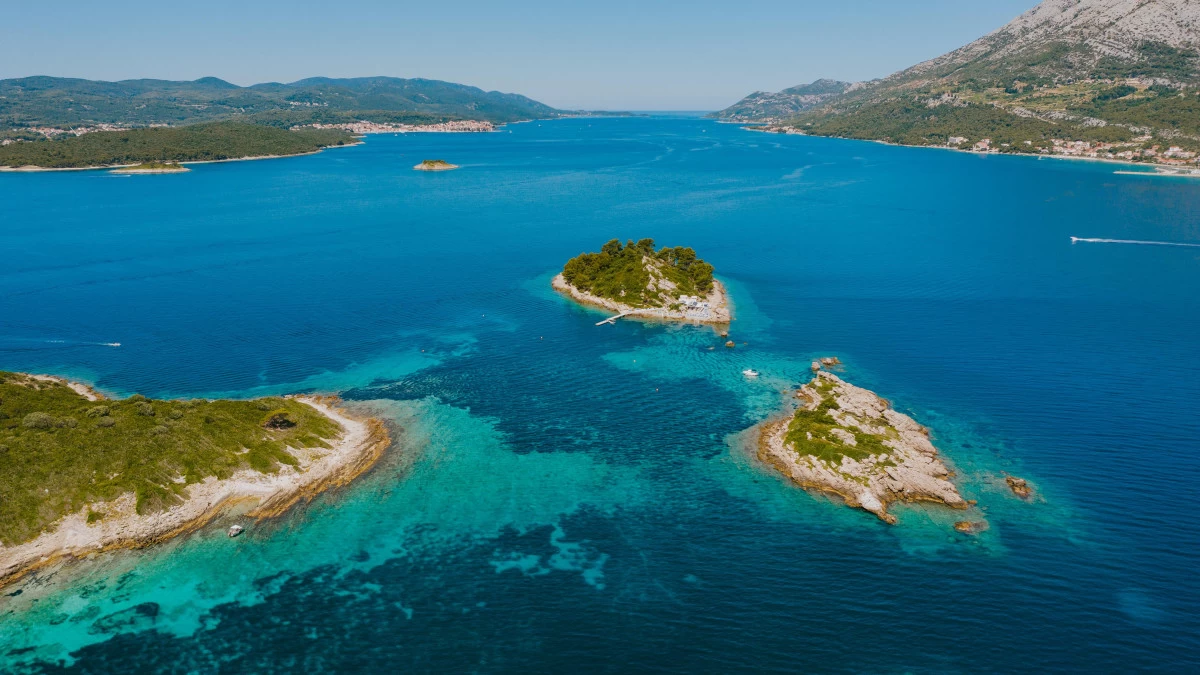
7-Day Croatia Island Hopping Itinerary: Dubrovnik to Split
OOne of the most popular and scenic routes in Croatia, this seven-day itinerary covers the highlights of Southern Dalmatia — a blend of historical towns, hidden coves, and breathtaking anchorages.
Day 1: Dubrovnik - Elaphiti Islands (11 NM)
Start your journey in Dubrovnik, a UNESCO World Heritage Site. Famed for its Renaissance architecture and dramatic coastline, Dubrovnik's Old Town is a masterpiece enclosed within centuries-old stone walls. Fans of Game of Thrones will recognize it as the real-world setting for King’s Landing, but its true magic lies in the timeless charm of its marble alleys and terracotta rooftops. Stroll down the Stradun and pause at the Church of St. Blaise, whose baroque church stands as a symbol of the city’s spirit.
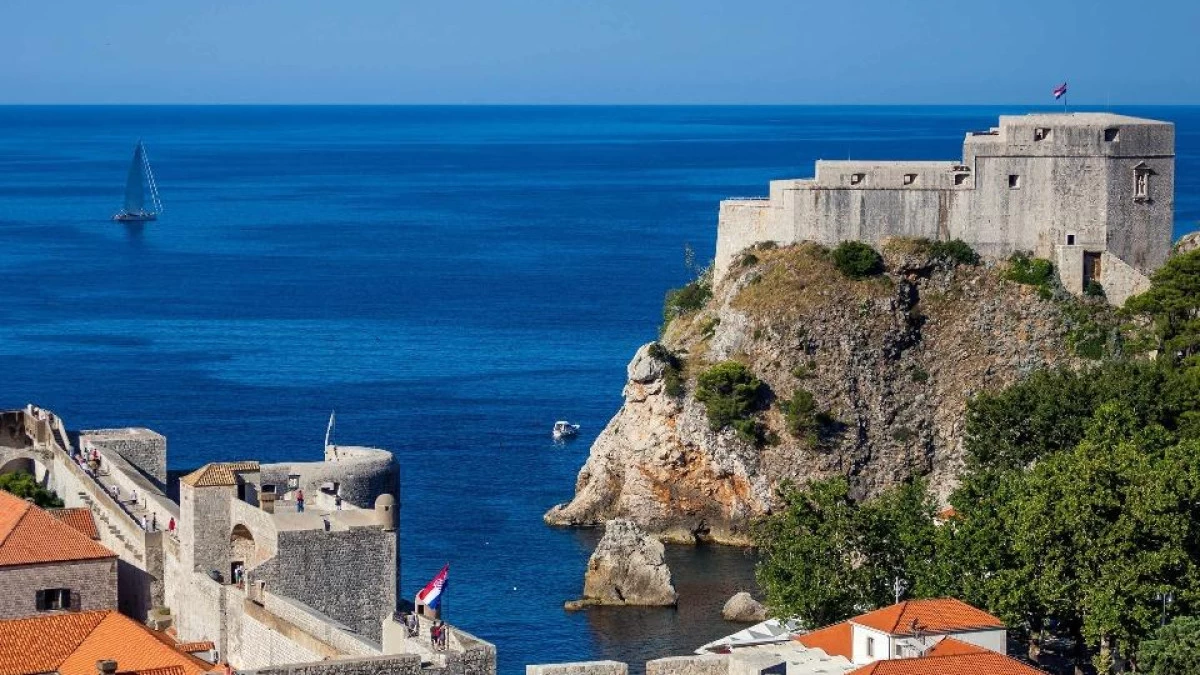
Nestled off the coast, the Elaphiti Islands are a captivating archipelago. Scattered among hidden reefs and rocky cliffs, the group consists of eight islands and five islets. Set sail to Lokrum, a green sanctuary of pine forests, peacocks, hidden coves, and the quiet majesty of a 12th-century Benedictine monastery. After that, sail further to Lopud, where no cars disturb the peace, and a walk to Šunj Bay, a wide stretch of soft, shallow sand made for long swims and slow afternoons. On Koločep, forested paths lead to secluded coves.
As the day drifts on, anchor at Šipan, the largest of the islands, where olive groves and rustic stone churches peek through the trees. These islands are not about ticking off sights or chasing activities. They’re about presence, slowing down, and reconnecting with your loved ones. You can read more about the Elaphiti Islands on our blog and discover their hidden coves, charming villages, and the laid-back rhythm of Adriatic island life.
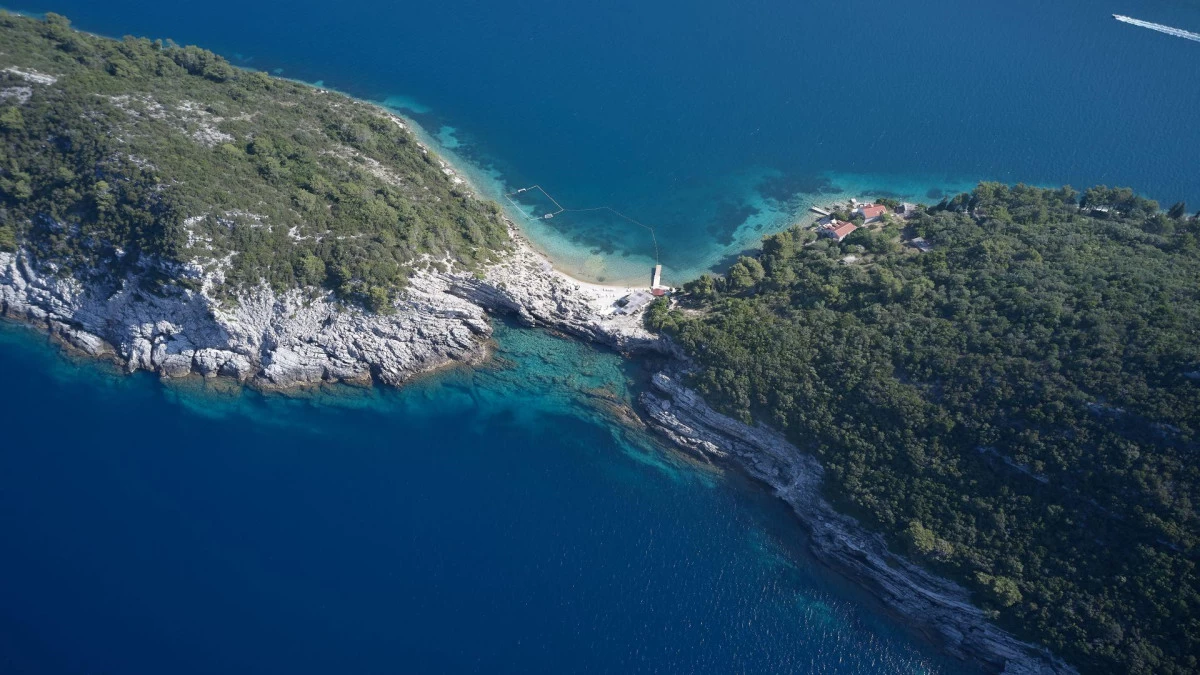
Day 2: Šipan - Mljet (10 NM)
Discover the timeless beauty of Mljet, a lush island sanctuary draped in pine forests, edged with peaceful coves, and home to two enchanting saltwater lakes, Veliko jezero (Large Lake) and Malo jezero (Small Lake). Covering nearly 100 square kilometers, Mljet is one of Croatia’s largest islands, yet it remains untouched, with just around 1,000 residents.
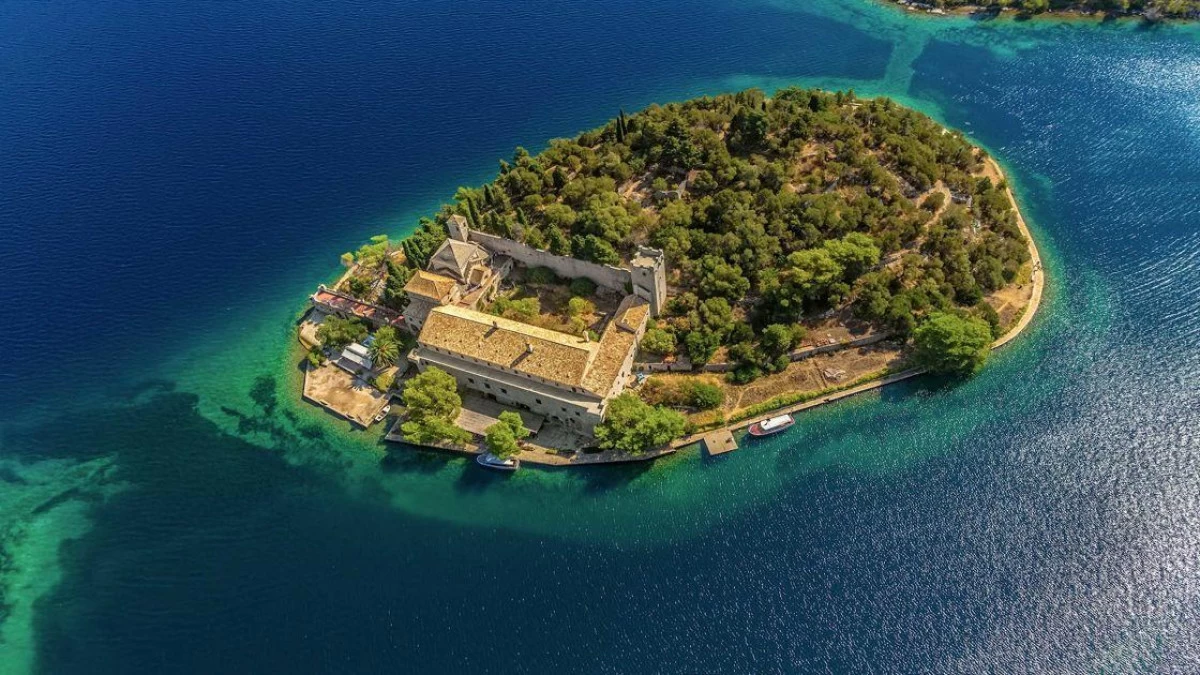
Almost half the island is part of the stunning Mljet National Park, a protected haven where nature thrives. Floating peacefully in the center of the larger lake are tiny islets, one of which holds a 12th-century Benedictine monastery, a serene retreat accessible by a short boat ride. The whole island is a haven for outdoor enthusiasts — you can cycle around the lakes, hike through untouched forest trails, or paddle through the still waters surrounded by birdsong.
Further south, the coastline features Odysseus’ Cave, a natural sea grotto linked to Greek myth and popular today for swimming and diving.
Day 3: Mljet - Korčula (16 NM)
Sail to Korčula, a stunning town shaped by centuries of craftsmanship and timeless charm. Once fortified by sturdy walls and watchful towers, Korčula stood as a vital stronghold on the Adriatic. Its old town, compact yet striking, was built in a unique herringbone street pattern — a clever design that shielded residents from sea winds and potential invaders.
Known as the birthplace of Marco Polo, Korčula is a living museum of medieval architecture and stone-paved alleys. For generations, the town thrived on its world-renowned stone cutting and shipbuilding traditions, with prized local stone, kave, exported far beyond its shores.
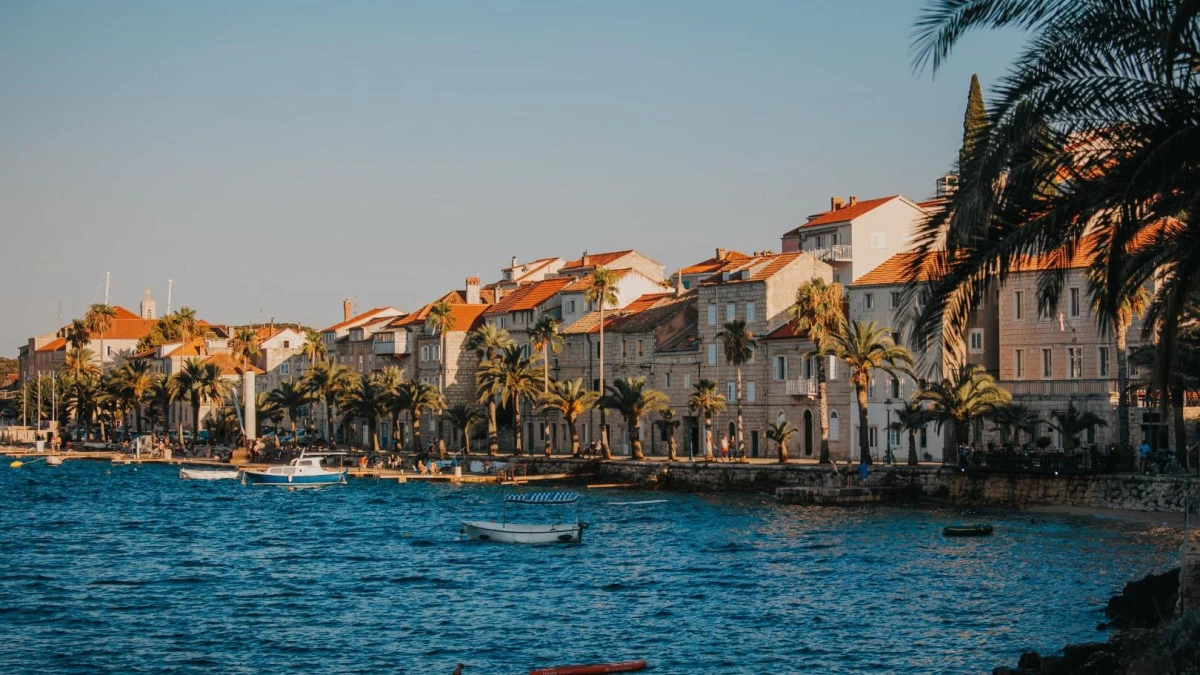
Spend your morning exploring the narrow lanes of the old town, then sail to Badija, a forested island where a serene 14th-century Franciscan monastery awaits. As you wander through pine groves, don’t be surprised if a gentle deer crosses your path — Badija’s friendly deer are known to greet visitors.
For even more solitude, set your course for Proizd, a remote islet to the northwest. With its blindingly white rocky beaches and crystal-clear turquoise water, Proizd feels worlds away from modern life.
Day 4: Korčula - Vis (14 NM)
Once a restricted military zone, Vis has emerged from the shadows to become one of the Adriatic’s most intriguing destinations. Today, this island of mystery is celebrated for its unspoiled nature, rich history, and cinematic charm during the filming of Mamma Mia 2.
Vis is part of the UNESCO Archipelago Global Geopark, where dramatic cliffs, hidden bays, and fragrant carob trees create a landscape that feels miles away from the mainland. The town of Vis itself moves at a slow, peaceful rhythm, perfect for morning walks along the harbor. Did you know there’s a cricket club on the island of Vis — one of the oldest in Europe? Learn more about its fascinating story and island charm in our blog.
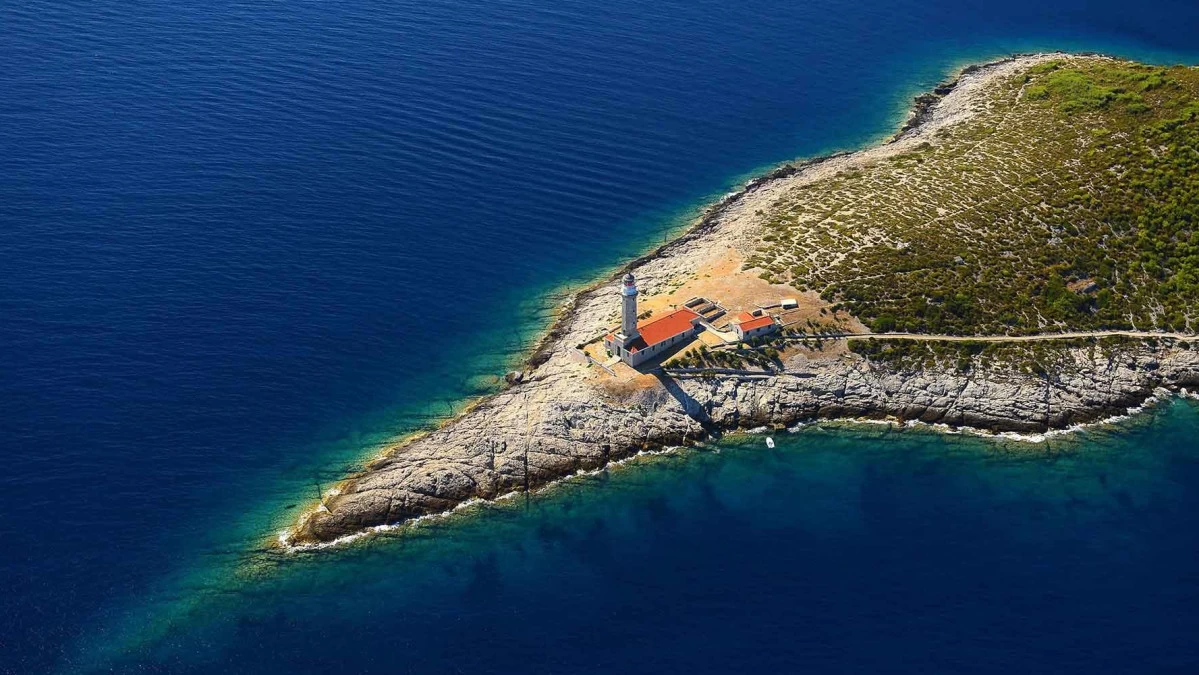
A short boat ride away lies the tiny island of Biševo, home to just 11 residents and the world-famous Blue Cave. Around midday, sunlight enters the cave through an underwater opening, illuminating the interior with a stunning blue glow.
For a quiet afternoon, sail to Budikovac, an uninhabited islet just across from Bargujac Bay. With no roads or crowds and surrounded by crystal-clear turquoise waters, Budikovac offers a true escape into serenity.
Day 5: Vis – Hvar (12 NM)
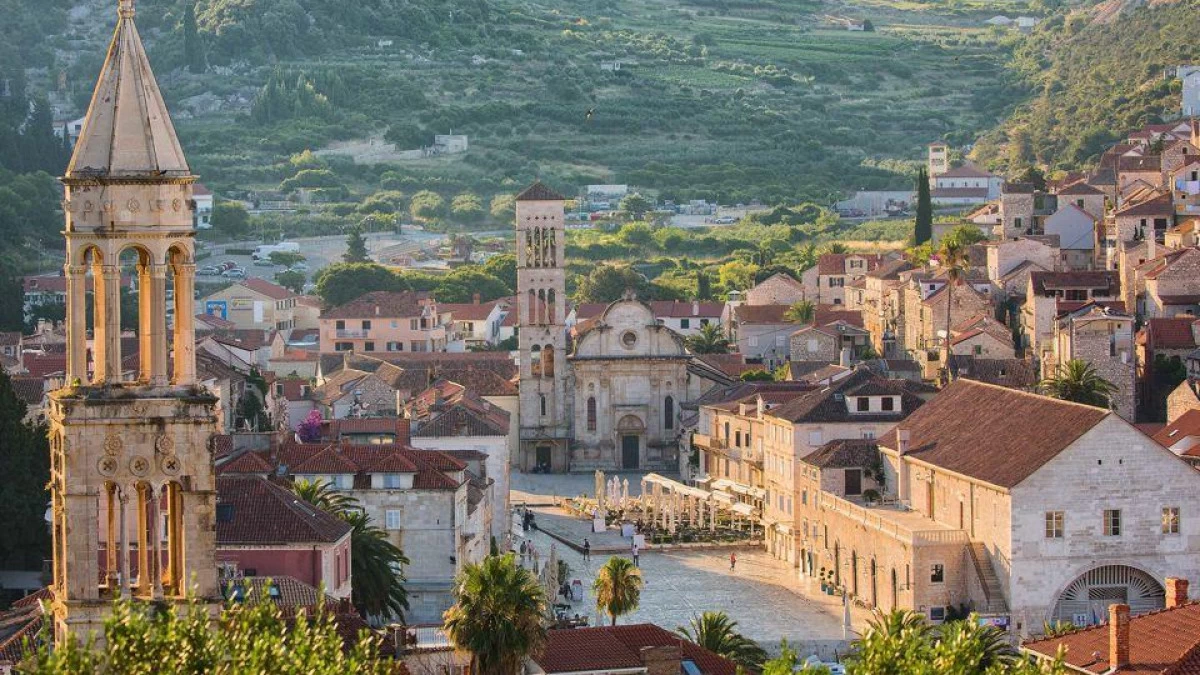
Bathed in over 2,700 hours of sunshine each year, Hvar is a captivating blend of history and hedonism. Old Town Hvar is a marble jewel shaped by centuries of Venetian elegance. Europe’s oldest public theater still watches over the grand square, while Renaissance facades, baroque churches, and vibrant cafés line the cobbled streets.
Just beyond the harbor, the Paklinski Islands, an archipelago of 21 islets, got their name from paklina, a pine resin once used in shipbuilding. Today, these islets are a haven for sailors, swimmers, and sunseekers. The jewel of the chain is Vinogradišće Bay, where sandy beaches, shallow turquoise waters, and seaside restaurants offer a perfect midday escape with fresh seafood and local flavors.
Set sail a bit further to Šćedro, a small, untouched island just off Hvar’s southern coast. Protected since 1972, Šćedro has no shops, no electricity, and no paved roads — just more than 20 hidden coves and a raw, timeless beauty that feels like stepping back in time. It’s the perfect place for quiet swims, unhurried lunches, and star-filled nights.
Day 6: Hvar - Brač (15 NM)
Brač isn’t just another stop on the Adriatic. Rugged, radiant, and always surprising, this island mixes crystal-clear beaches, vibrant nightlife, and hidden trails. Begin your day at Zlatni Rat, the island’s iconic golden sand spit, where the wind shapes the coastline, creating the perfect playground for windsurfers and kiteboarders.
Just beyond the beach lies Bol, a seaside town filled with cafés and shops, which transforms into a lively hotspot for beach parties under the stars. Vidova Gora, the highest peak on all Croatian islands, offers panoramic views that, on clear days, stretch as far as Italy.
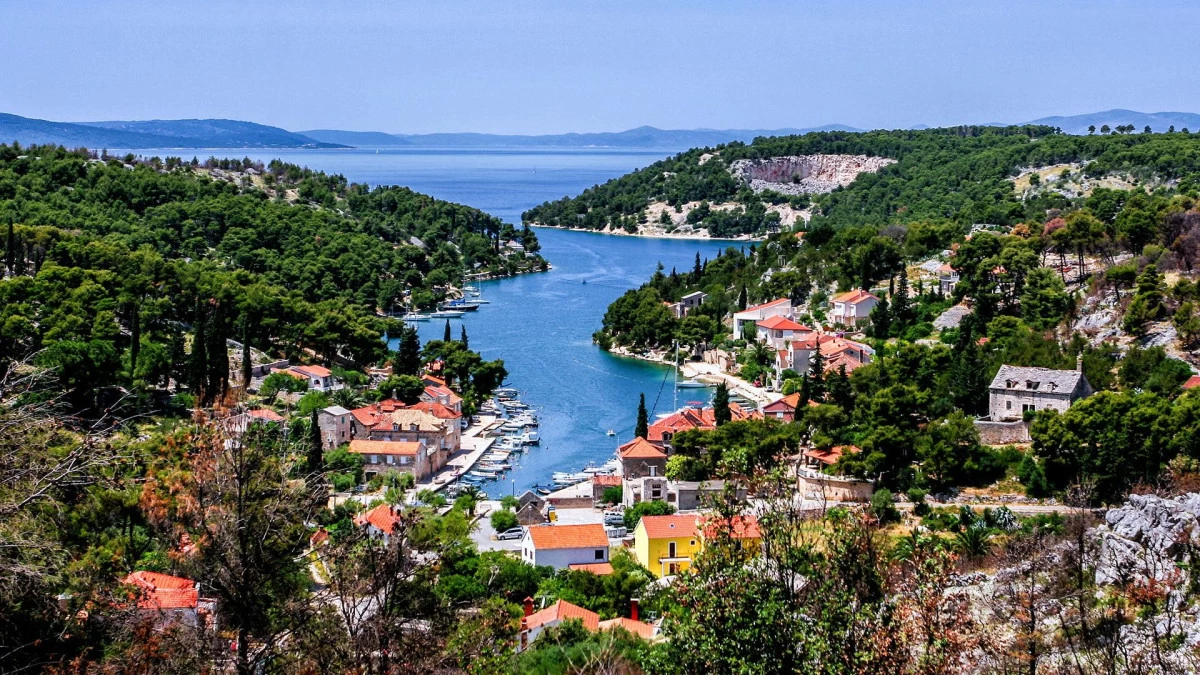
Brač isn’t just about beach life and big views. Wander through centuries-old olive groves, where local families still harvest by hand. Stop at a local konoba (tavern) for a tasting of Brač’s award-winning olive oil, paired with local cheese and a glass of island wine.
For a truly unexpected end to your day, visit Pustinja Blaca, a hidden hermitage built directly onto a cliffside, or sail to Lovrečina Bay, where a long sandy beach blends with the quiet remnants of an ancient basilica.
Day 7: Brač - Split (17 NM)
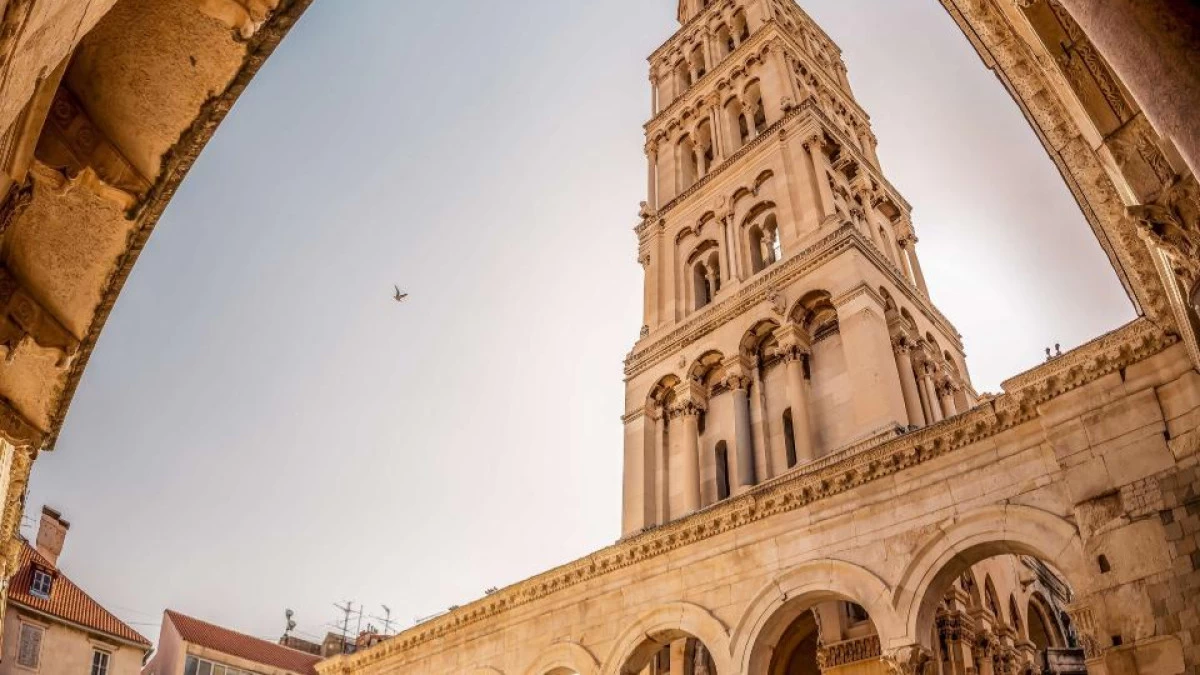
End your journey in Split, where ancient walls meet vibrant modern life and every stone has a story to tell. At the city’s heart is Diocletian’s Palace, not just a historic landmark but a living part of Split where people still live and gather.
Built over 1,700 years ago as a Roman emperor’s retirement home, the palace is now the old town itself — a captivating maze of alleyways, courtyards, and squares alive with local energy. Wander through the city, and you’ll find buzzing wine bars tucked into centuries-old cellars, hotels nestled behind stone facades, and restaurant terraces spilling out from ancient walls.
Split doesn’t preserve history behind glass; it lives it. Locals hang laundry between palace columns, grab espresso where emperors once walked, and throw parties in courtyards that have seen a thousand summers. With over 100 terraces, Split feels like one endless open-air celebration of food, music, sea views, and connection.
Itinerary Overview
Dubrovnik → Elaphiti Islands → Mljet → Korčula → Vis → Hvar → Brač → Split
7-Day Croatia Island Hopping Routes by Region
Central Dalmatia
Split – Šolta – Brač – Biševo – Vis – Pakleni Islands – Hvar
Sail through the heart of Dalmatia, where ancient towns and pristine bays connect beneath endless blue skies. Begin in Split, explore the tranquil island of Šolta, and dive into the golden beaches of Brač. Continue to the mysterious islands of Biševo and Vis, where history and nature blend seamlessly. Your voyage concludes among the turquoise shallows of the Pakleni Islands and the timeless allure of Hvar — a journey of culture, elegance, and pure Adriatic charm. Read more in our Central Dalmatia Yacht Charter Itinerary blog.
Zadar Archipelago
Zadar – Ist – Iž – Žut – Piškera – Kornati – Murter
This route through the Zadar archipelago is a sailor’s dream. Depart from Zadar, an ancient city where Roman ruins fulfill lively waterfronts, and cruise toward the quiet beauty of Ist and Iž. Discover Žut and Piškera, gateways to the Kornati National Park, an ethereal seascape of over a hundred islands. Continue south to Murter, a charming island connected to the mainland by a small bridge, known for its warm hospitality and authentic Dalmatian feel. Read more in our Zadar yacht charter itinerary blog
Šibenik Region
Šibenik – Zlarin – Kaprije – Kornati – Dugi Otok – Murter – Skradin
Sailing from Šibenik, a UNESCO city of stone and sea, leads you through a region rich in history and natural wonders. Stop at coral island Zlarin, peaceful Kaprije, and the mesmerizing islets of Kornati. Explore the wild cliffs and hidden lagoons of Dugi Otok, then unwind in Murter before navigating inland to Skradin, where the river and the sea unite beneath the waterfalls of Krka National Park. Find out more in our Šibenik itinerary.
Istria & Kvarner
Pula – Unije – Mali Lošinj – Veli Lošinj – Susak – Ilovik – Rab – Krk – Cres – Brijuni
Begin in Pula, home to one of the world’s best-preserved Roman amphitheaters, and sail across the Kvarner Gulf to the gentle rhythm of island life. Visit Unije’s sandy bays, the lush harbours of Mali and Veli Lošinj, and the sandy island of Susak, known for its distinctive yellow cliffs. Anchor by Ilovik, the “island of flowers,” and continue to Rab, Krk, and Cres — each a world of its own. End in the tranquil Brijuni Islands, where history, nature, and elegance merge into one unforgettable finale. Read more in our Istra and Kvarner blog.
Airports with Ferry Access
Croatia’s coastal airports are conveniently located near ferry ports, making island transfers quick and straightforward.
Split Airport (SPU) – The main hub for Central Dalmatia and the closest airport to Brač, Hvar, Vis, and Šolta. Ideal for travelers planning to explore islands between Split and Dubrovnik or take a one-way itinerary along the southern coast.
Zadar Airport (ZAD) – Perfect for reaching the northern Dalmatian islands such as Kornati, Ugljan, and Dugi Otok.
Dubrovnik Airport (DBV) – The best gateway to Southern Dalmatia, offering easy connections to Mljet, the Elaphiti Islands, and Korčula, as well as one-way sailing routes north toward Split.
Rijeka Airport (RJK) – Located on Krk Island, it provides direct access to the Kvarner Gulf and nearby islands including Cres, Lošinj, Rab, and Unije.
Pula Airport (PUY) – The key entry point to Istria and the northern islands, with ferry routes to Cres, Lošinj, and Unije, and seasonal services to Venice and Dubrovnik.
Among all, Dubrovnik, Zadar, and Split airports offer the widest choice of flights, particularly during the summer season, ensuring smooth connections to every part of the Adriatic.
Transfers, taxis, and local shuttles link each airport to nearby ferry terminals, allowing seamless access to Croatia’s islands — whether your journey begins in the south, the north, or somewhere in between.
How to Get Around the Croatian Islands
Almost every inhabited Croatian island is connected by public ferry, making independent travel simple and affordable. Ferries range from fast catamarans for passengers to larger vessels carrying cars, scooters, and campers. In summer, routes operate multiple times daily, linking Split, Zadar, Šibenik, Rijeka, Pula, and Dubrovnik with surrounding islands.
Main Ferry Hubs:
Split: Gateway to Hvar, Brač, Vis, Korčula, Šolta, and Lastovo
Šibenik: Routes to Zlarin, Kaprije, Prvić, and Žirje
Zadar: Connections to Dugi Otok, Ist, Iž, Silba, Olib, Premuda, Rava,Susak, Molat, Ugljan, Pašman, and Kornati
Rijeka: Access to Hvar, Korčula, Dubrovnik, Split, Cres, Krk, Rab, Lošinj,Silba, Susak, Unije, Zadar and international lines to Italy
Pula: Ferries to Krk,Cres, Lošinj, Unije,Susak, Silba,Rab, Zadar, Split, Hvar, Korčula, Rijeka, Rovinj and seasonal routes to Venice and Dubrovnik
Dubrovnik: Links to Mljet, Elaphiti Islands, Korčula, Brač, and Hvar
Most services are operated by Jadrolinija, Croatia’s national ferry company, supported by smaller regional lines that serve local routes.
Photo: shutterstock
